
Are you curious about the zero and first conditional in English grammar? These conditionals are essential for expressing possibilities and hypothetical situations. Let’s dive into how to use them correctly!
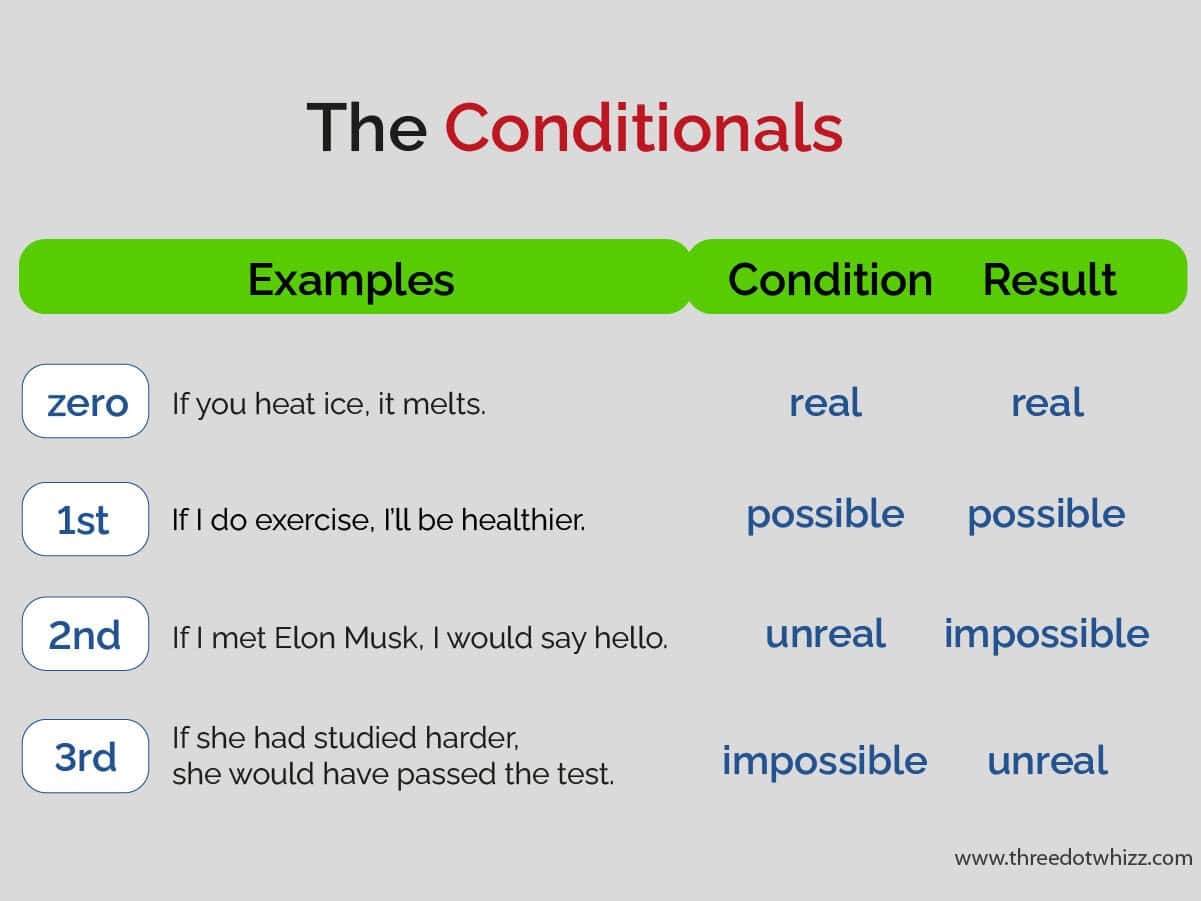
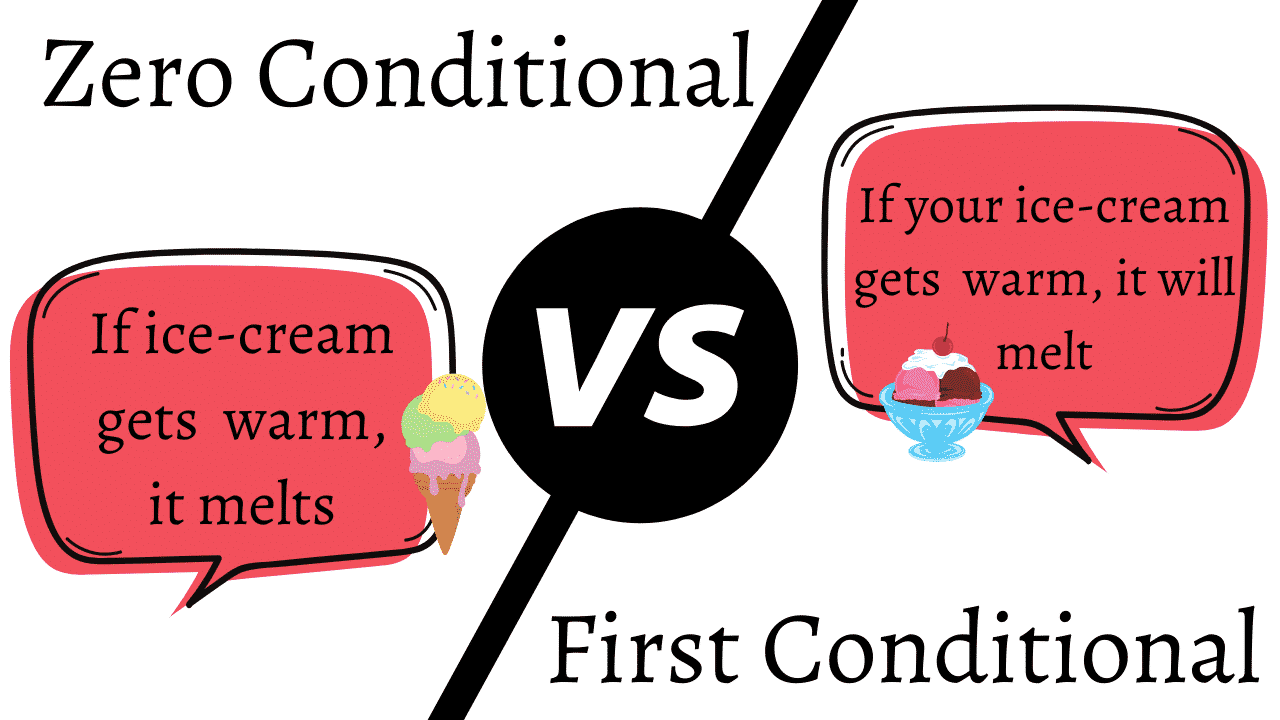
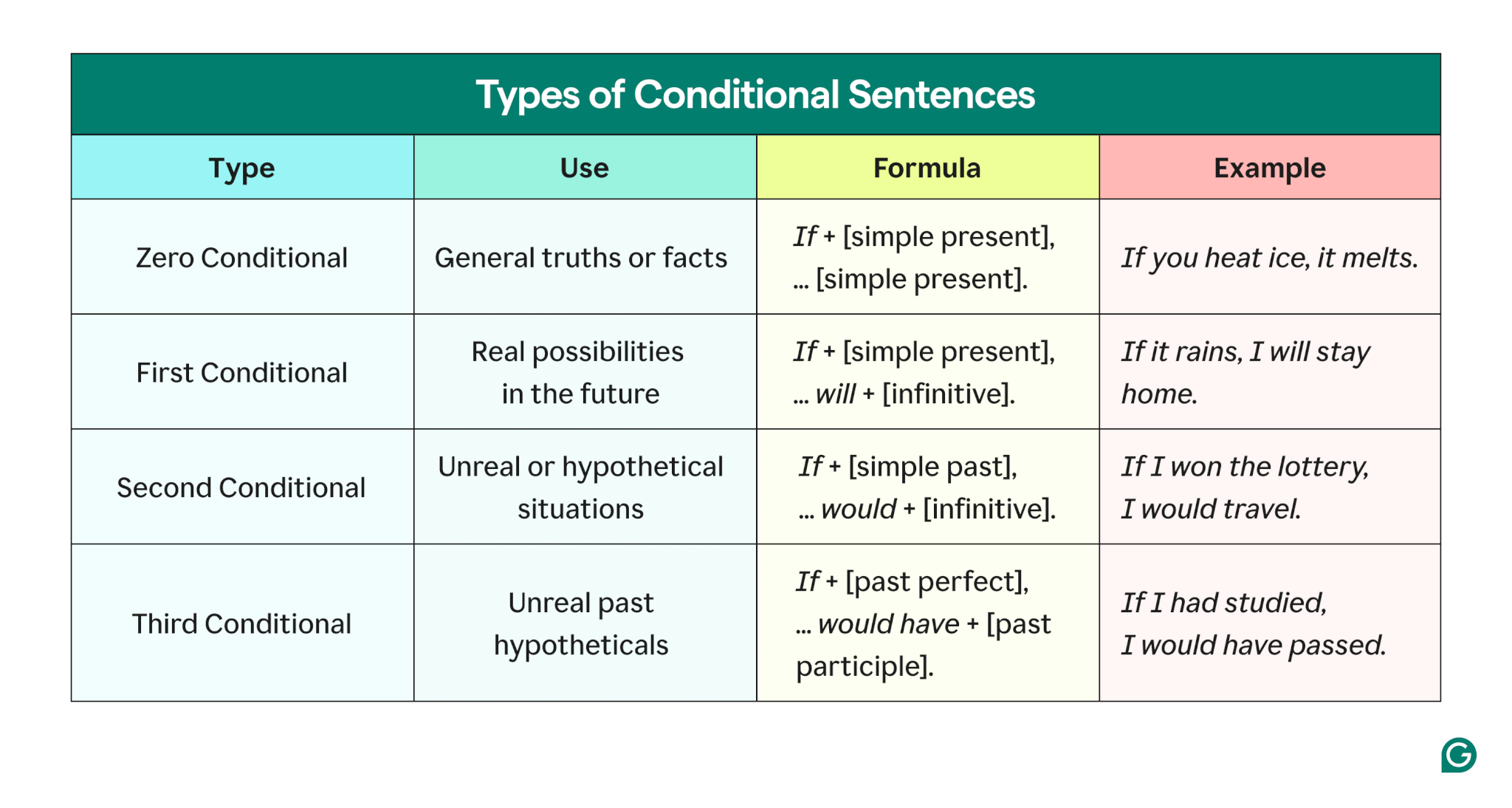
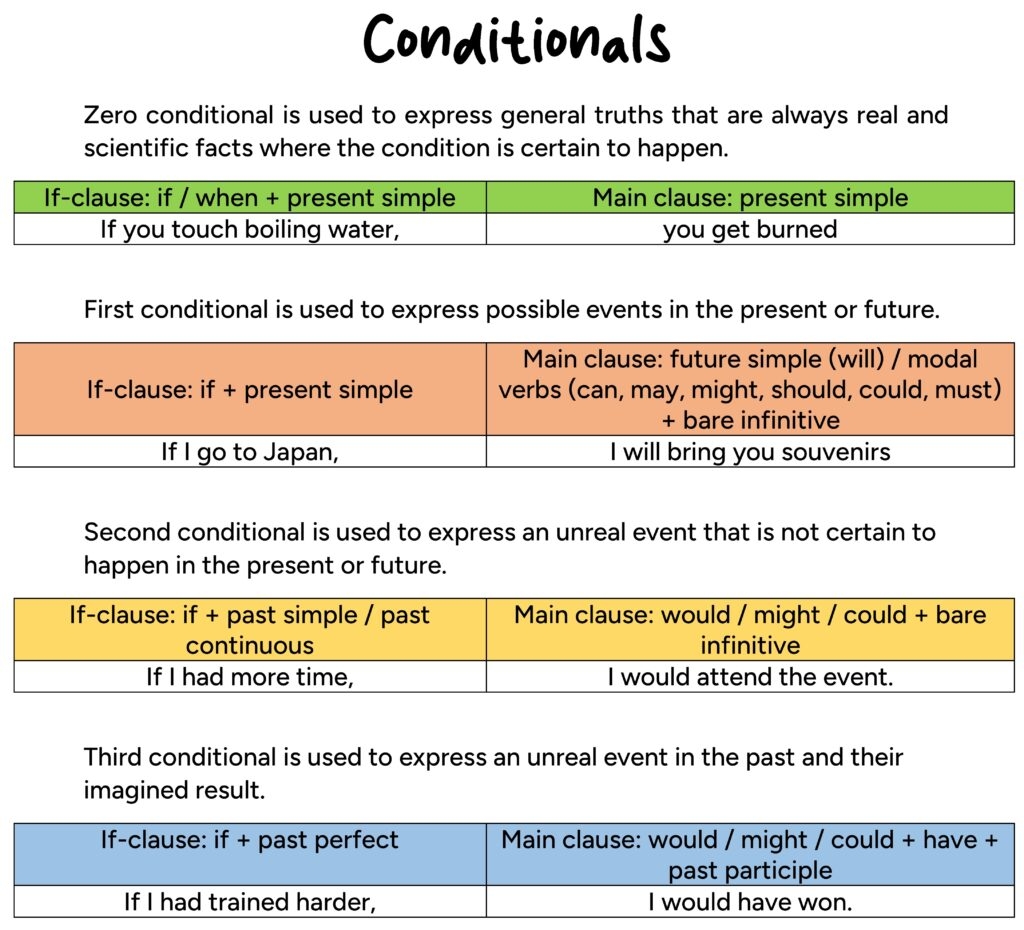
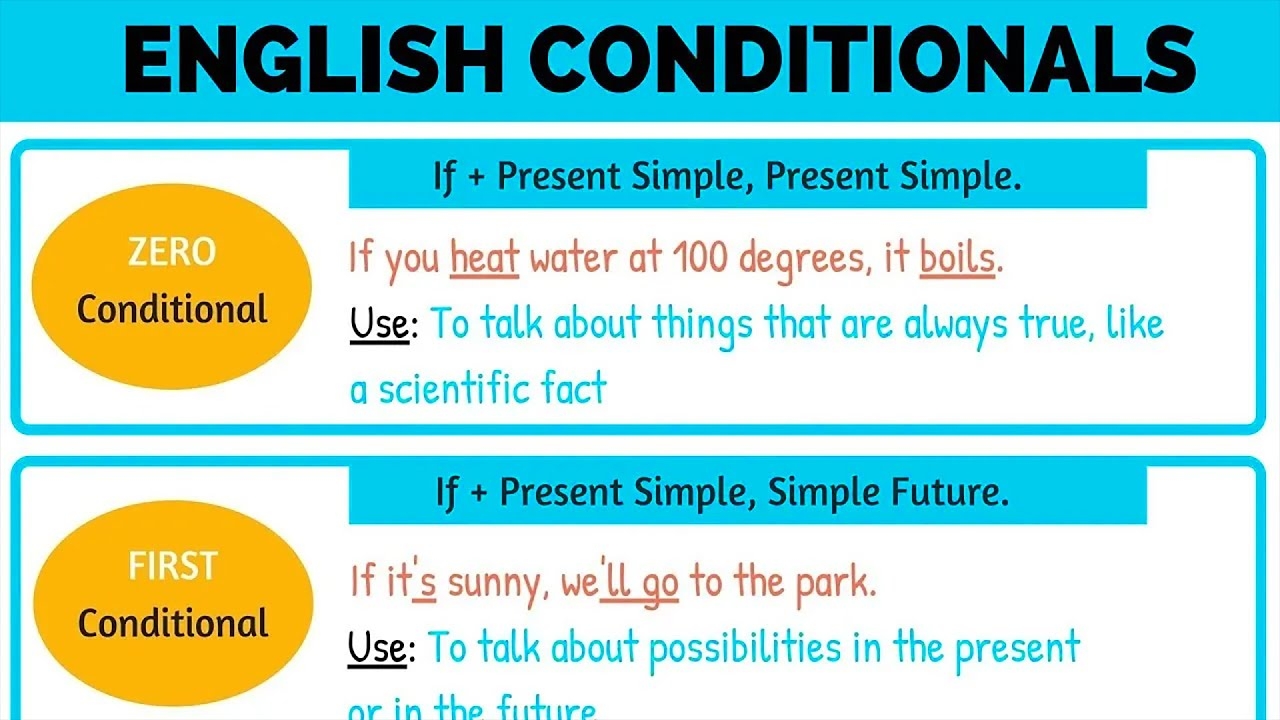
The zero conditional is used to talk about general truths or facts. It is formed by using ‘if’ followed by the present simple tense in both clauses. For example, “If you heat water to 100 degrees, it boils.”
zero and first conditional
Understanding the Zero and First Conditional
On the other hand, the first conditional is used to talk about real possibilities or likely future events. It consists of ‘if’ + present simple in the if-clause and ‘will’ + base verb in the main clause. For instance, “If it rains tomorrow, I will stay home.”
It’s crucial to remember that in the first conditional, we are talking about something that is likely to happen in the future based on a certain condition being met in the present. It’s a useful tool for making plans and predictions.
Both the zero and first conditional help us to communicate effectively in English by indicating different levels of certainty or possibility. By mastering these grammar structures, you can express yourself more clearly and accurately in conversations and writing.
So, next time you want to talk about general truths or future possibilities, remember to use the zero and first conditional correctly. Practice makes perfect, so keep using these conditionals in your everyday English to improve your language skills!
Zero V First Conditional Virtually Fluent
The 4 Types Of Conditional Sentences Grammarly
Conditionals English For Yourself
Conditionals In Grammar 04 Types Of Conditional Sentences Zero First Second Third Conditional YouTube