
Learning English can be both fun and challenging, especially when it comes to understanding regular and irregular verbs. These verbs play a crucial role in constructing sentences and expressing actions.
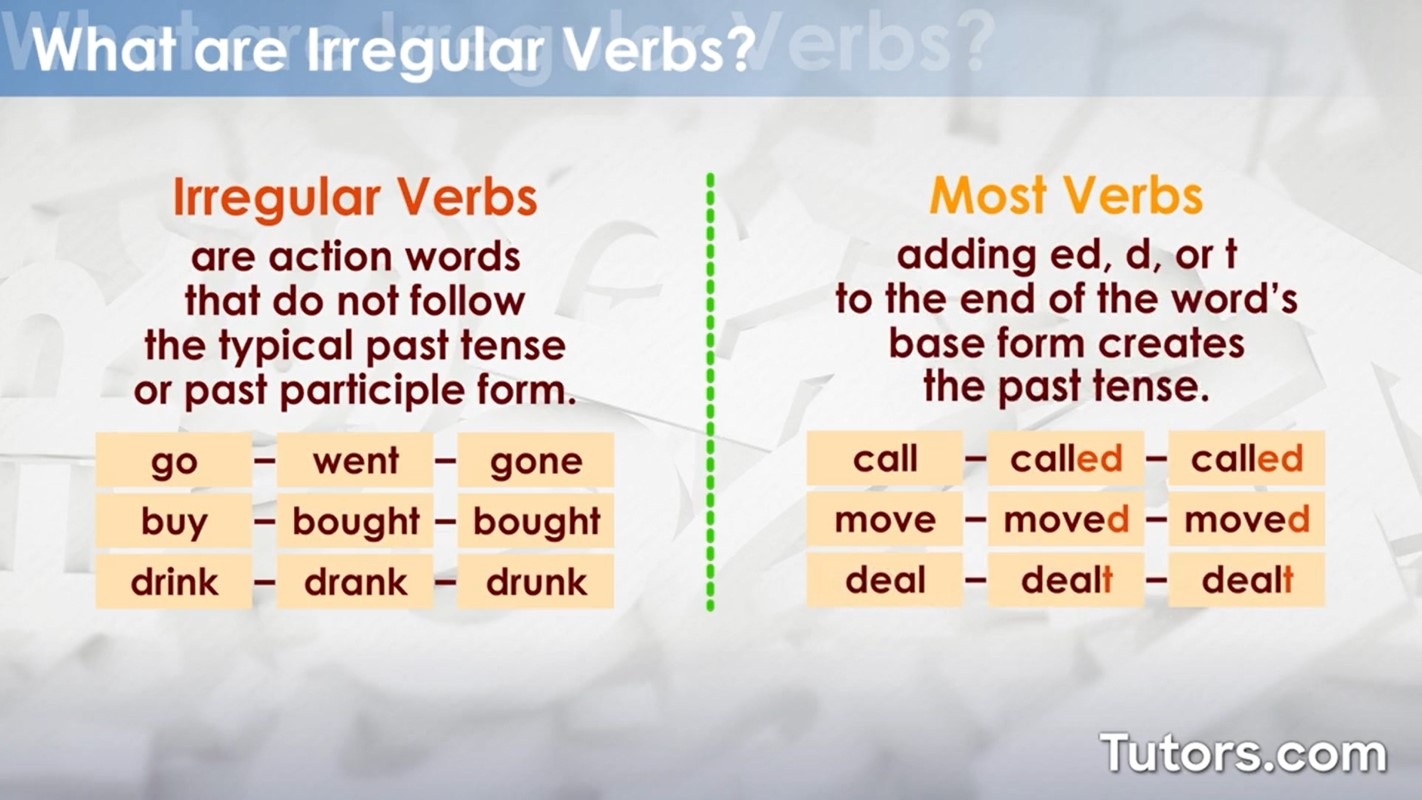
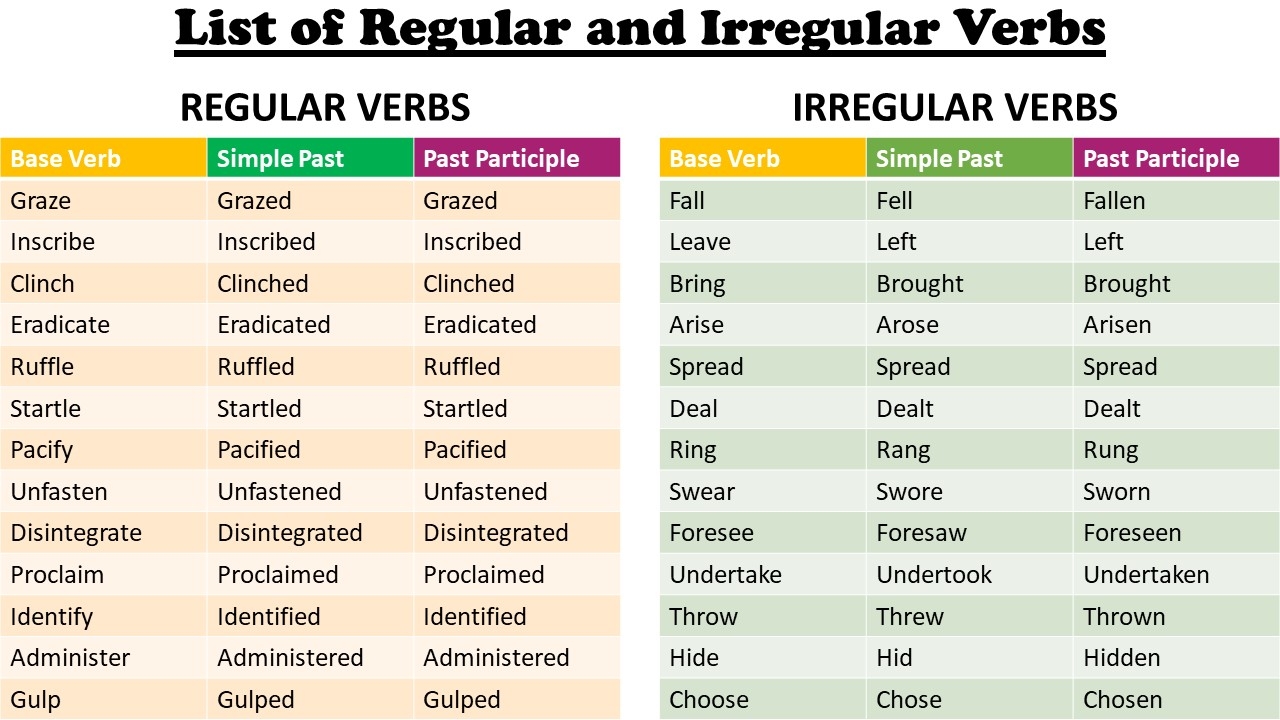
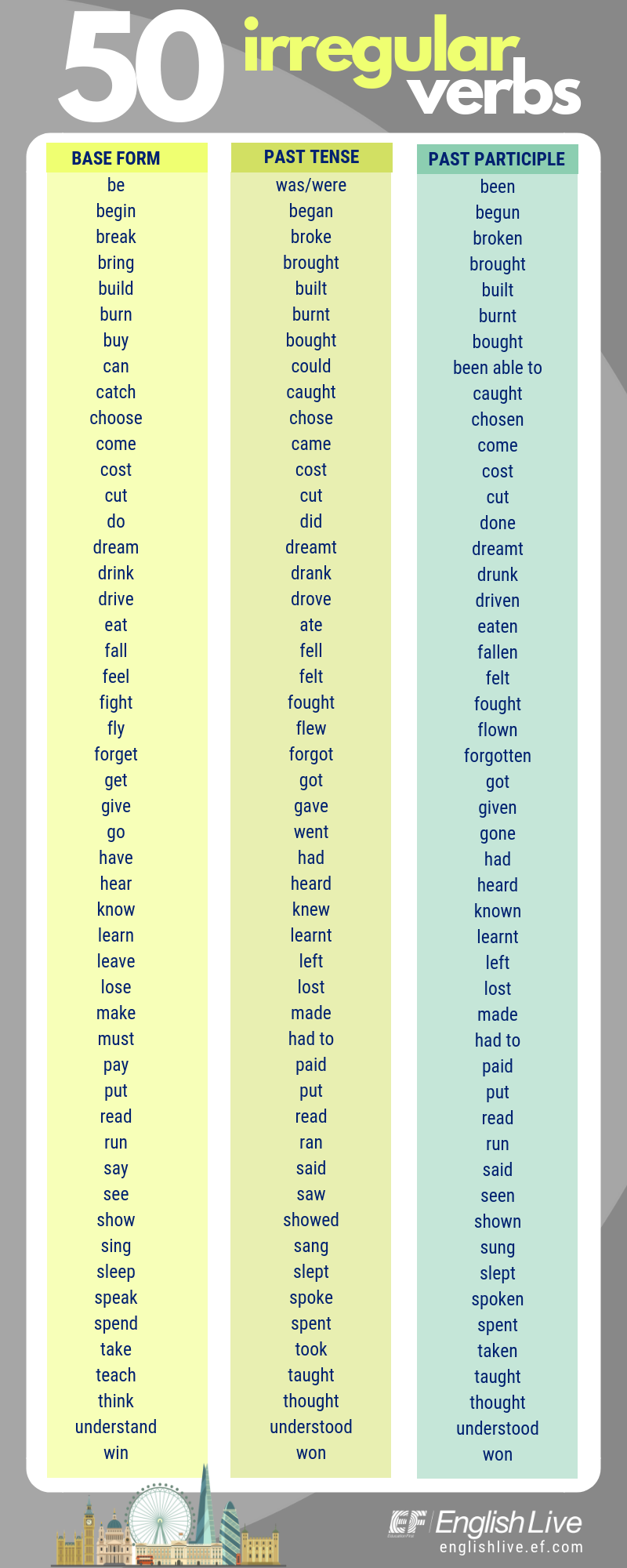
Regular verbs follow a predictable pattern when conjugated in different tenses, such as adding -ed to form the past tense. On the other hand, irregular verbs do not follow this rule and require memorization of their various forms.
regular and irregular verbs
Mastering Regular and Irregular Verbs
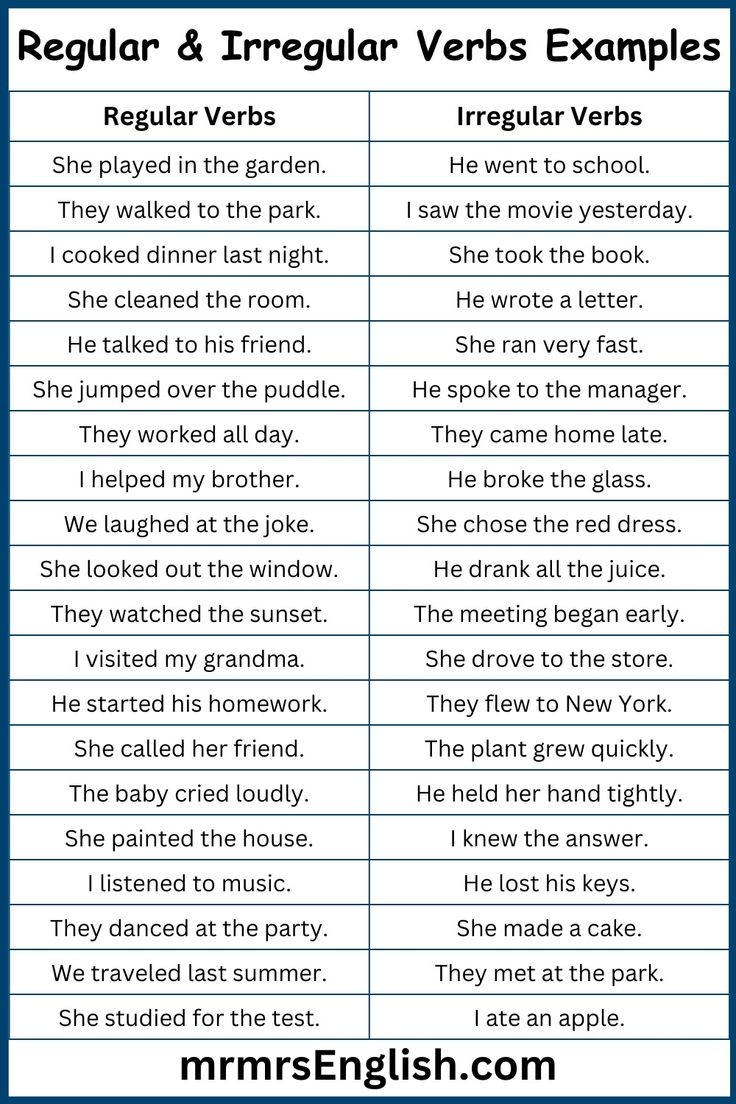
Regular verbs, like “walk” or “talk,” are simple to conjugate in different tenses. For example, “I walk to school” becomes “I walked to school” in the past tense by adding -ed.
Irregular verbs, such as “go” or “eat,” do not follow a consistent pattern. For instance, “I go to the gym” changes to “I went to the gym” in the past tense, requiring memorization of each verb’s unique forms.
Practice is key to mastering regular and irregular verbs. Engaging in conversations, writing sentences, and reading books can help you become more familiar with how these verbs are used in context.
By understanding the differences between regular and irregular verbs and practicing their usage regularly, you can improve your English language skills and communicate more effectively with others.
So, next time you come across a new verb, take note of whether it is regular or irregular, and practice using it in different tenses to enhance your language proficiency. Happy learning!
Regular And Irregular Verbs Explained With Definition And Examples
How Does A Verb Become Regular And Irregular INSTRILL
Regular And Irregular Verbs

Regular And Irregular Verb Examples What Is An Irregular Verb ESL Kids World