
Have you ever wondered about the past tense of the verb “be”? It’s a common question that many English learners have when trying to master the language. Let’s dive into this topic and explore the different forms of “be” in the past tense.
When we talk about the past tense of “be,” we are referring to the different forms of the verb that indicate actions or states that occurred in the past. The past tense of “be” has three main forms: “was,” “were,” and “been.”
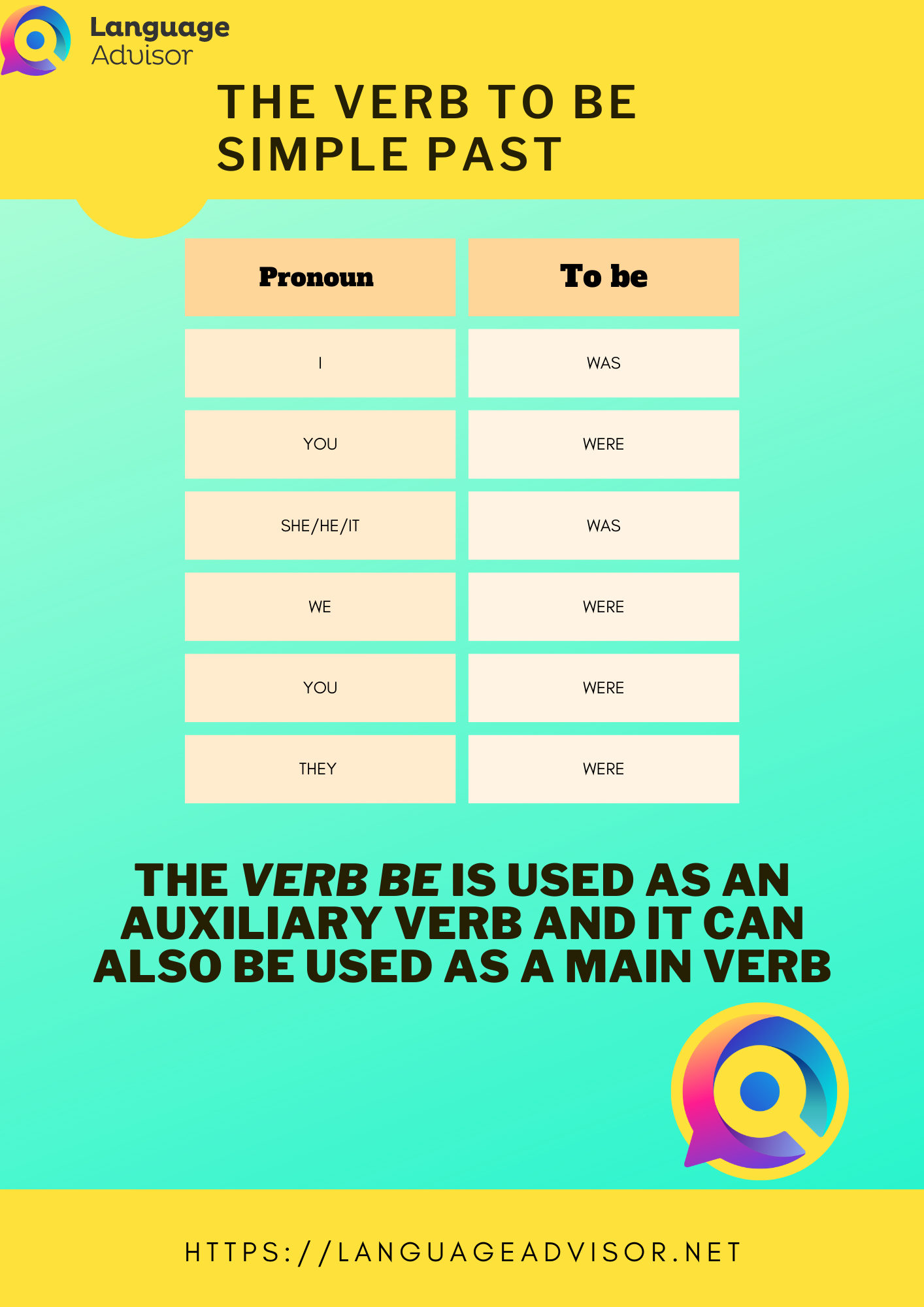
past tense of be
Forms of the Past Tense of “Be”
The past tense form “was” is used with the pronouns I, he, she, and it. For example, “I was happy yesterday.” The form “were” is used with the pronouns you, we, and they. For instance, “You were late for the meeting.”
The past participle form “been” is used with all subjects in the present perfect tense or the past perfect tense. For example, “She has been to Paris before” or “They had been waiting for hours.” These forms of “be” help us express actions or states that happened in the past.
Understanding the past tense of “be” is essential for building clear and grammatically correct sentences in English. By mastering these forms, you can confidently talk about past events and experiences. So, next time you’re writing or speaking in English, remember to use “was,” “were,” and “been” to convey actions or states that occurred in the past.
In conclusion, the past tense of “be” plays a crucial role in English grammar. By familiarizing yourself with the forms “was,” “were,” and “been,” you can enhance your language skills and communicate effectively in various contexts. Keep practicing and incorporating these forms into your conversations to become a fluent English speaker!
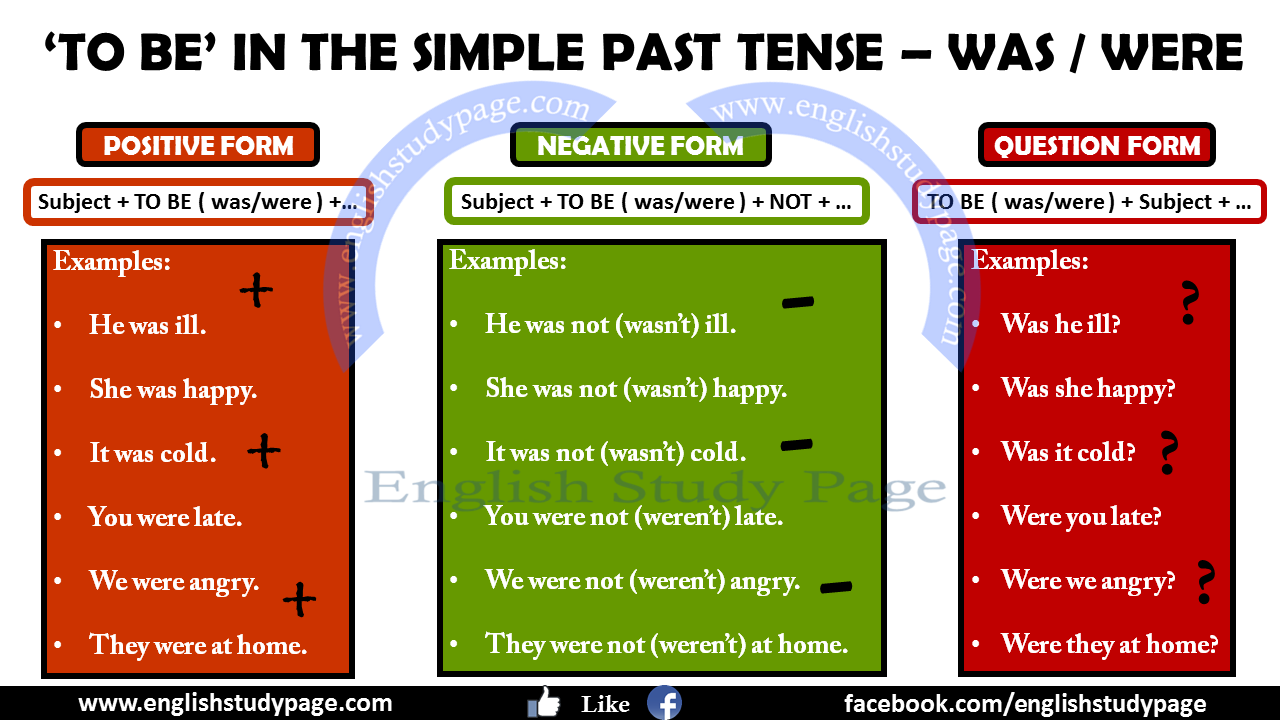
Simple Past Tense With TO BE English Study Page
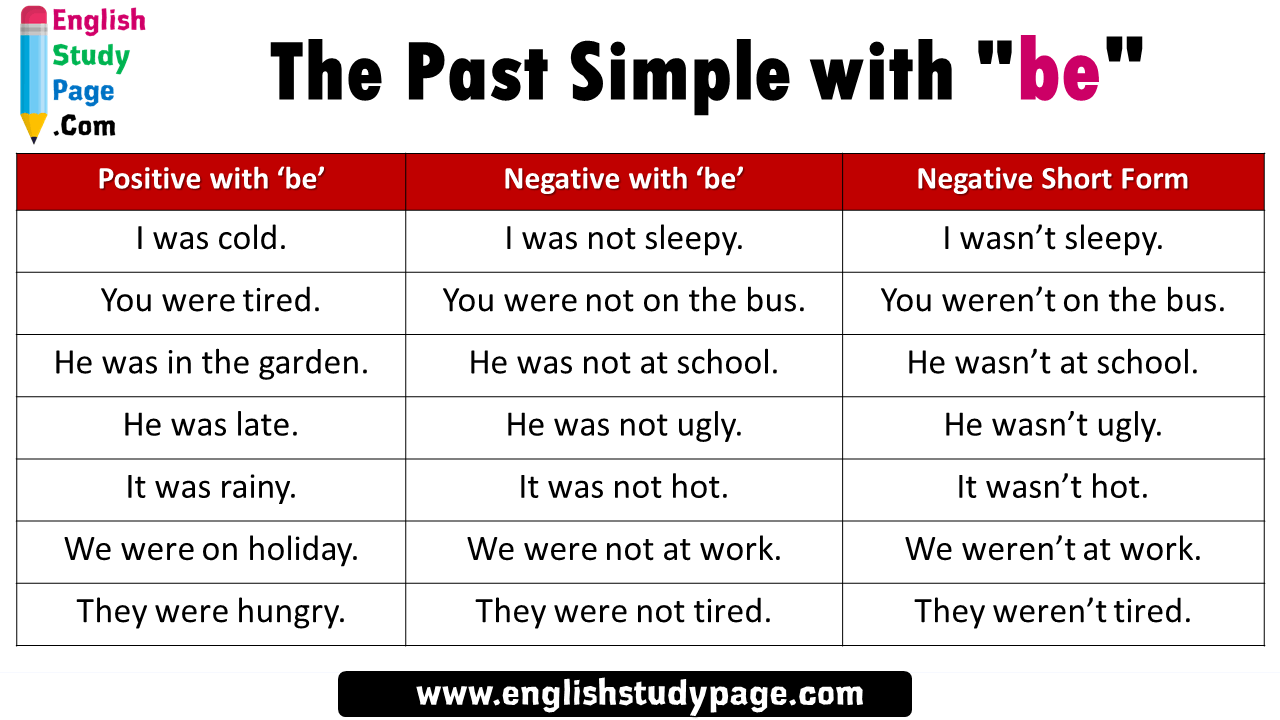
The Past Simple With be English Study Page
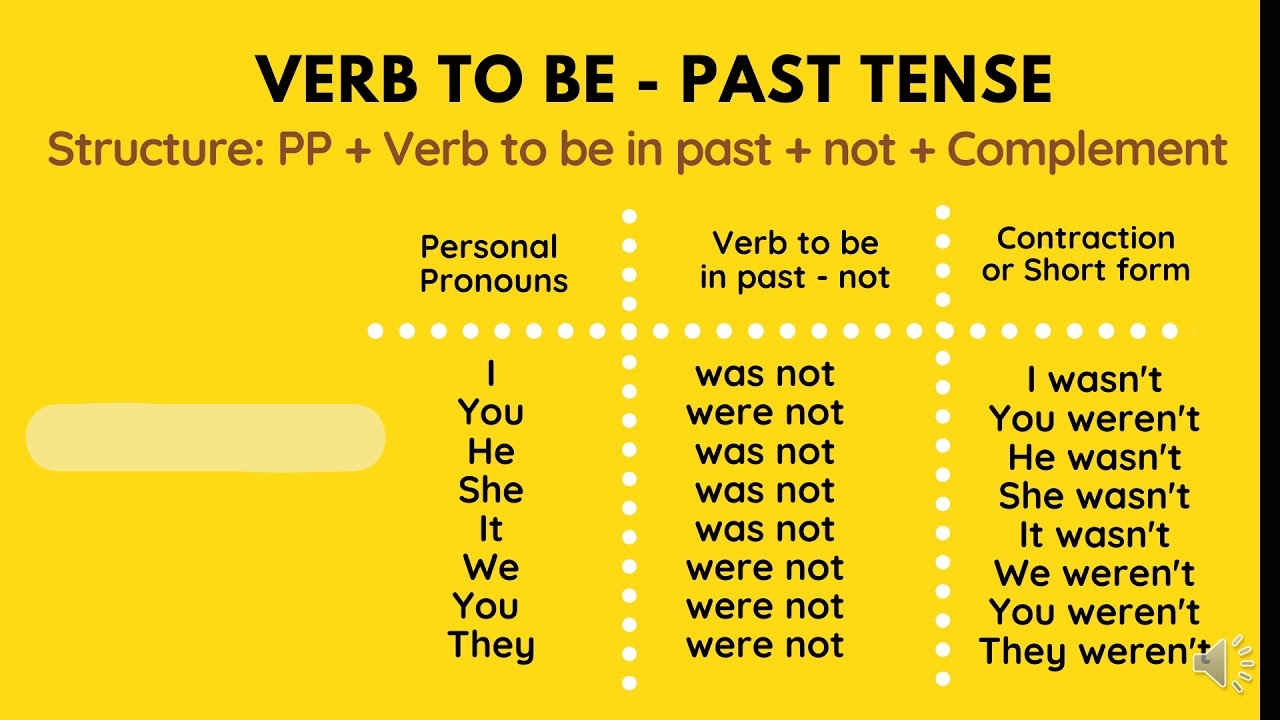
Verb To Be Past Tense YouTube
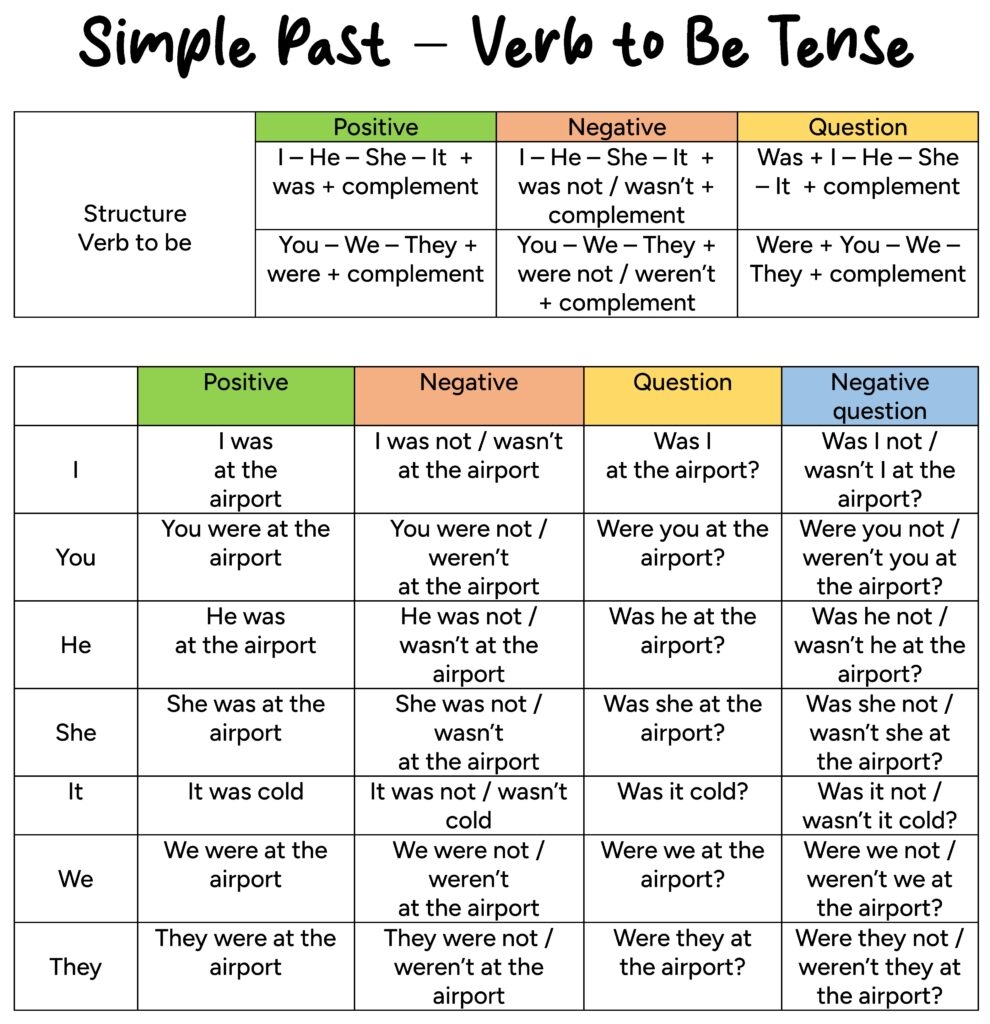
Simple Past Tense English For Yourself