
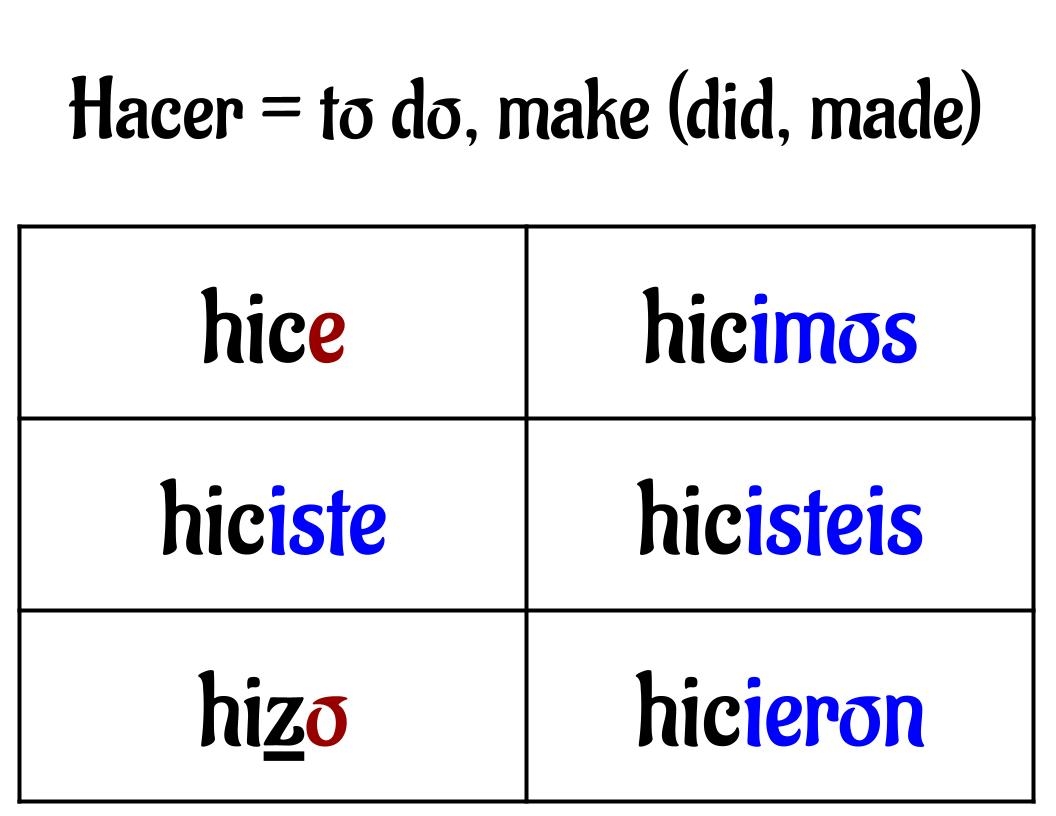
irregular verbs in the preterite
Irregular verbs in the preterite can be tricky to master, but don’t worry, we’re here to help break it down for you. These verbs don’t follow the typical pattern in past tense conjugation, so it’s important to familiarize yourself with their unique forms.
One common irregular verb in the preterite is “ir,” which means “to go” in English. Instead of following the regular -ar verb pattern, “ir” changes to “fui” for the yo form, “fuiste” for tú, “fue” for él/ella/usted, “fuimos” for nosotros, “fuisteis” for vosotros, and “fueron” for ellos/ellas/ustedes.
Another irregular verb you may come across is “ser,” which means “to be.” In the preterite tense, “ser” changes to “fui” for yo, “fuiste” for tú, “fue” for él/ella/usted, “fuimos” for nosotros, “fuisteis” for vosotros, and “fueron” for ellos/ellas/ustedes.
It’s important to practice using these irregular verbs in context to get a better feel for how they work. Reading and listening to Spanish content can help you pick up on the correct conjugations naturally.
In conclusion, irregular verbs in the preterite may seem daunting at first, but with practice and exposure, you’ll soon become more comfortable using them. Don’t be afraid to make mistakes – it’s all part of the learning process. Keep at it, and you’ll be an expert in no time!
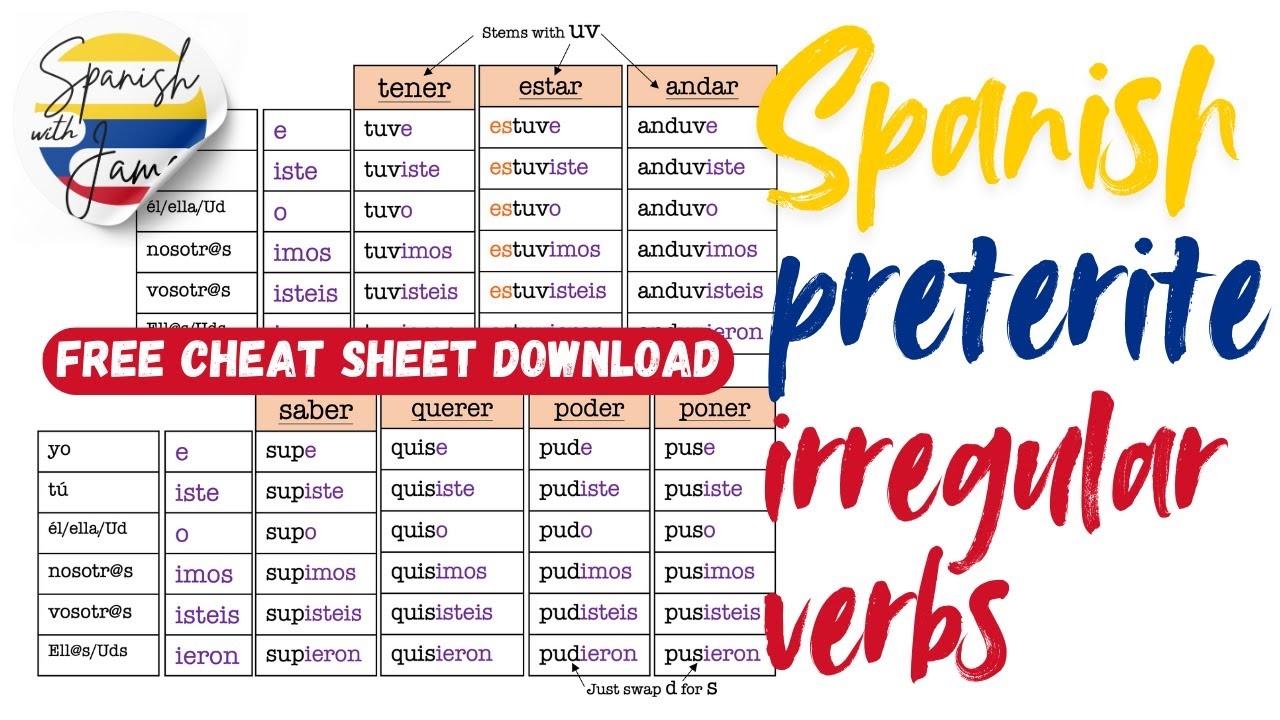
Unlock Spanish Irregular Preterite Verbs With These Simple Hacks YouTube
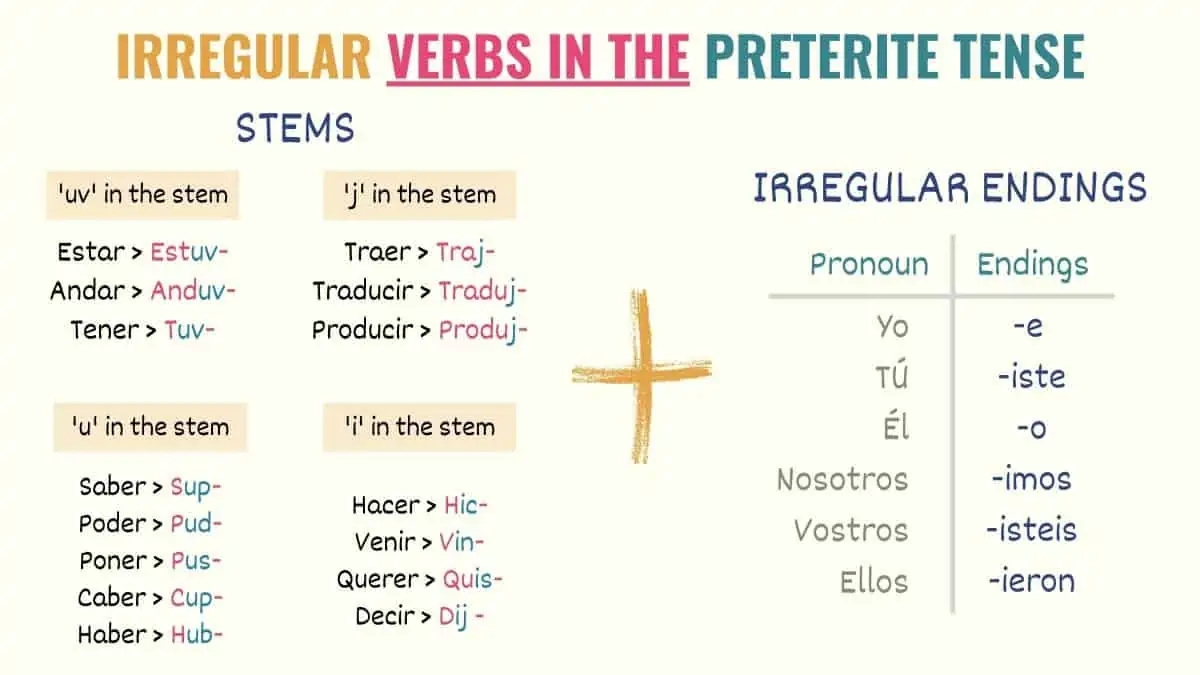
Spanish Preterite Tense 101 Uses Rules Conjugations
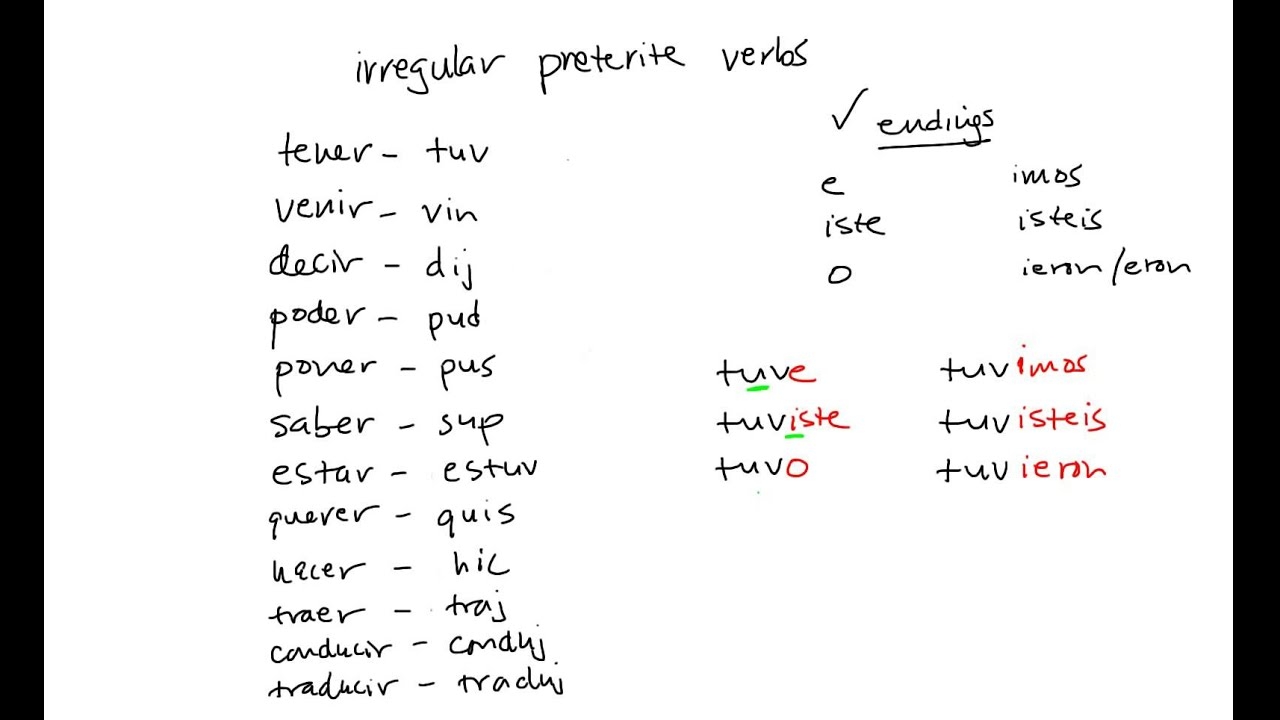
24 Spanish Irregular Preterite Verbs YouTube
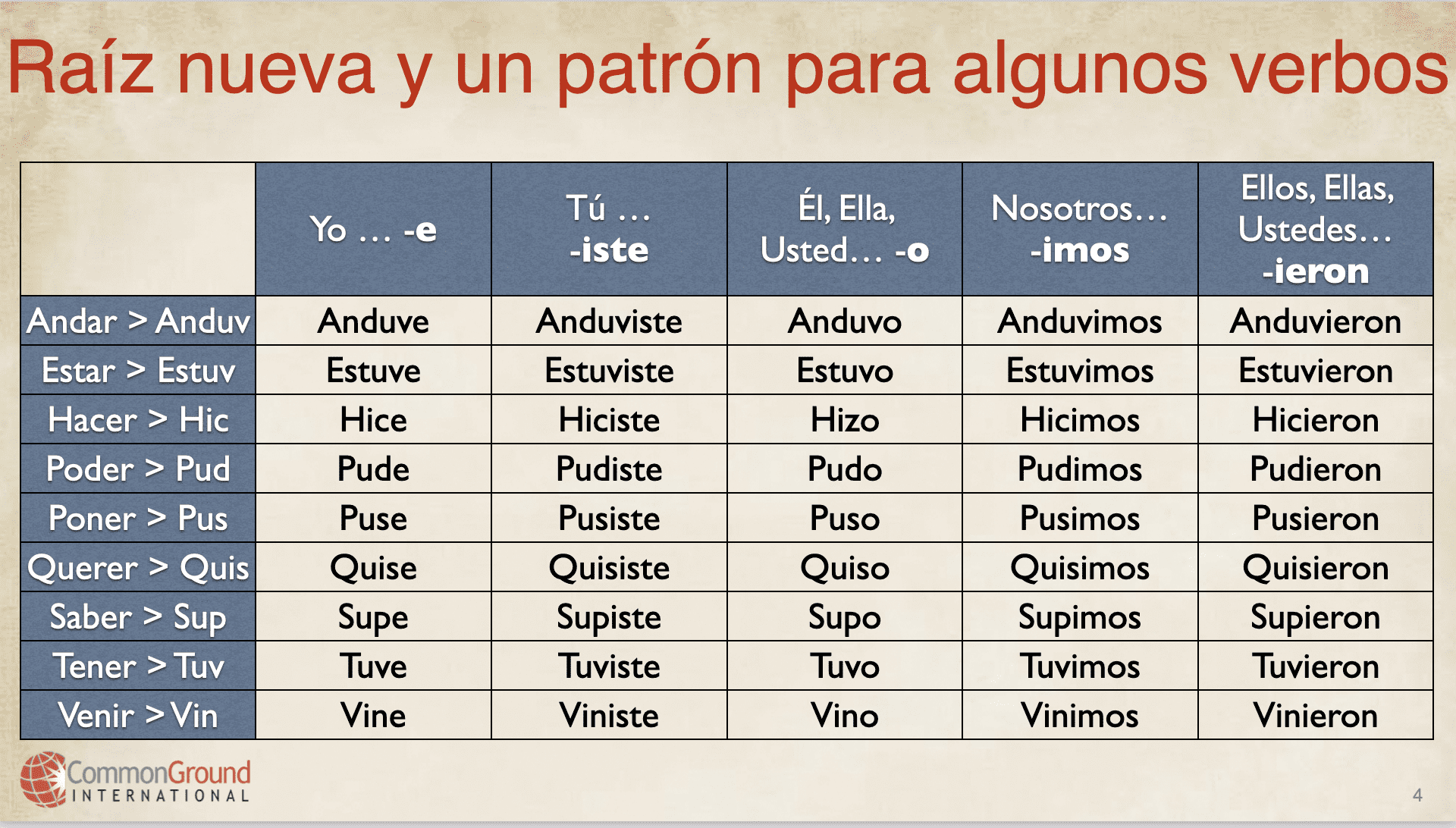
Irregular Preterite Tense Medical Spanish Verbs Common Ground International Language Services