
Learning irregular past participles in Spanish can be tricky, but with a little practice, you’ll master them in no time. These verbs don’t follow the regular patterns, so it’s important to memorize them.
Irregular past participles can be used to form the perfect tenses in Spanish, such as the present perfect and past perfect. They are essential for expressing actions that have been completed or have occurred in the past.
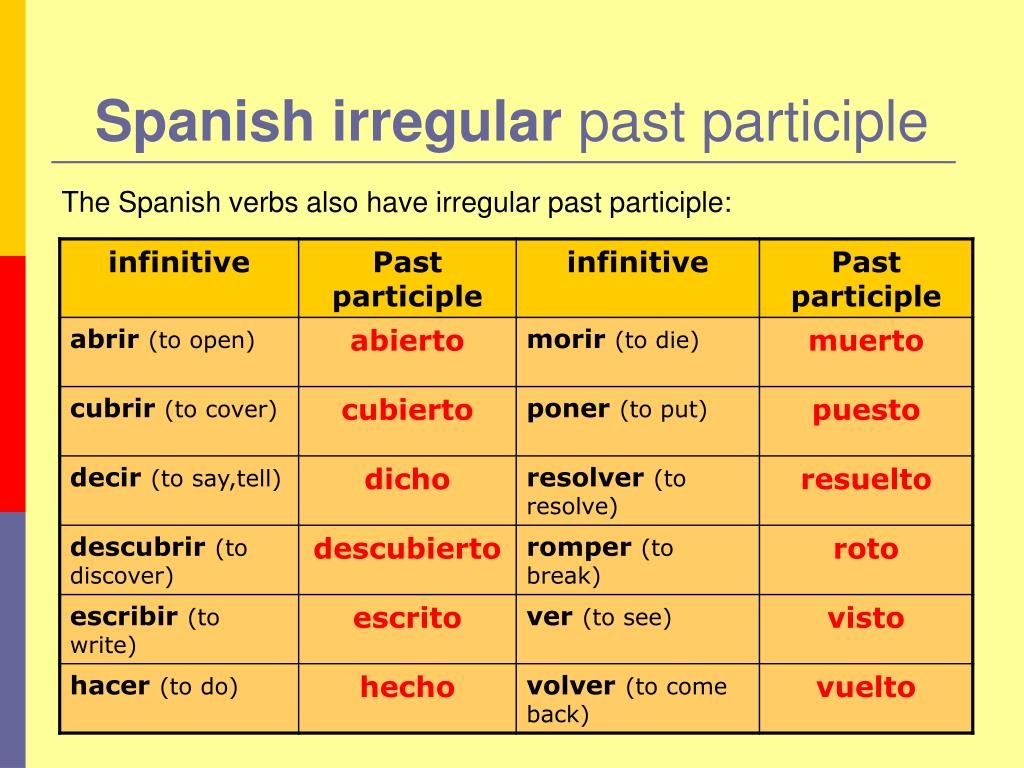
irregular past participles spanish
Mastering Irregular Past Participles in Spanish
One of the most common irregular past participles in Spanish is “abierto,” which means “open” in English. This verb is irregular because it doesn’t follow the typical pattern of regular -ar verbs.
Another important irregular past participle is “escrito,” which means “written.” This verb is irregular because it doesn’t follow the regular -ir verb pattern. It’s crucial to memorize these irregular forms to speak Spanish fluently.
Practice makes perfect when it comes to irregular past participles in Spanish. Make flashcards, use mnemonic devices, or practice with a language partner to reinforce your understanding of these essential verbs.
By mastering irregular past participles in Spanish, you’ll be able to express yourself more clearly and accurately in conversations. Don’t be discouraged by the irregularities – embrace them as a unique aspect of the Spanish language that adds richness and depth to your communication.
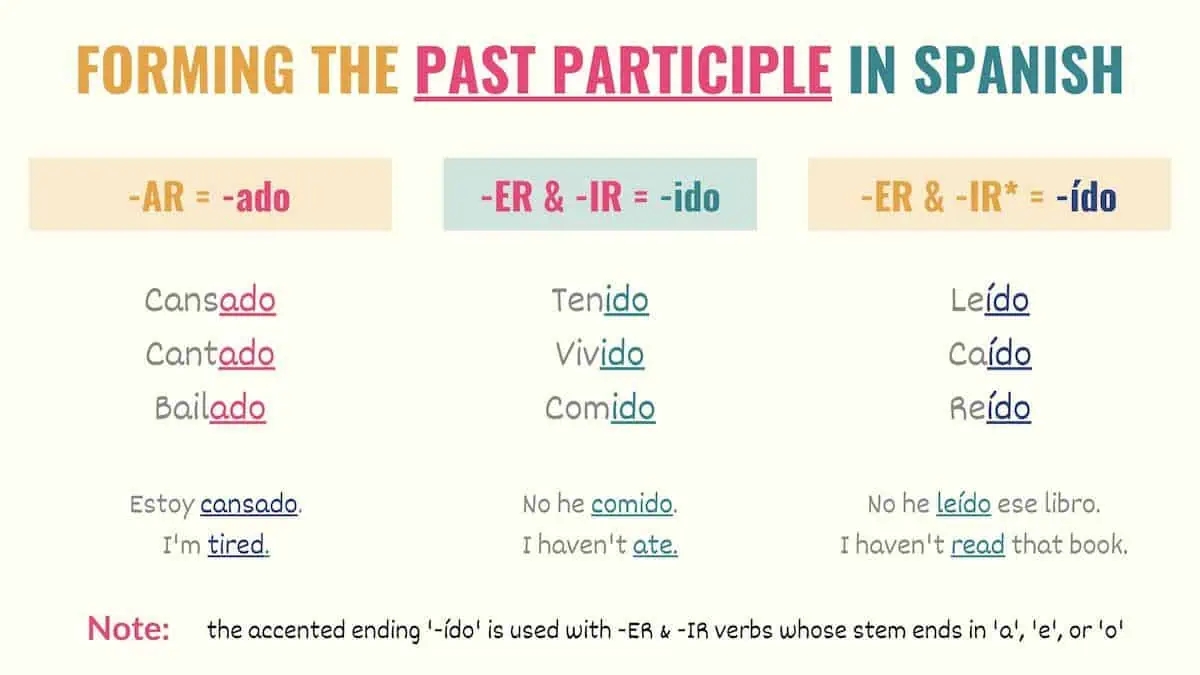
Past Participles In Spanish Conjugations Uses Charts
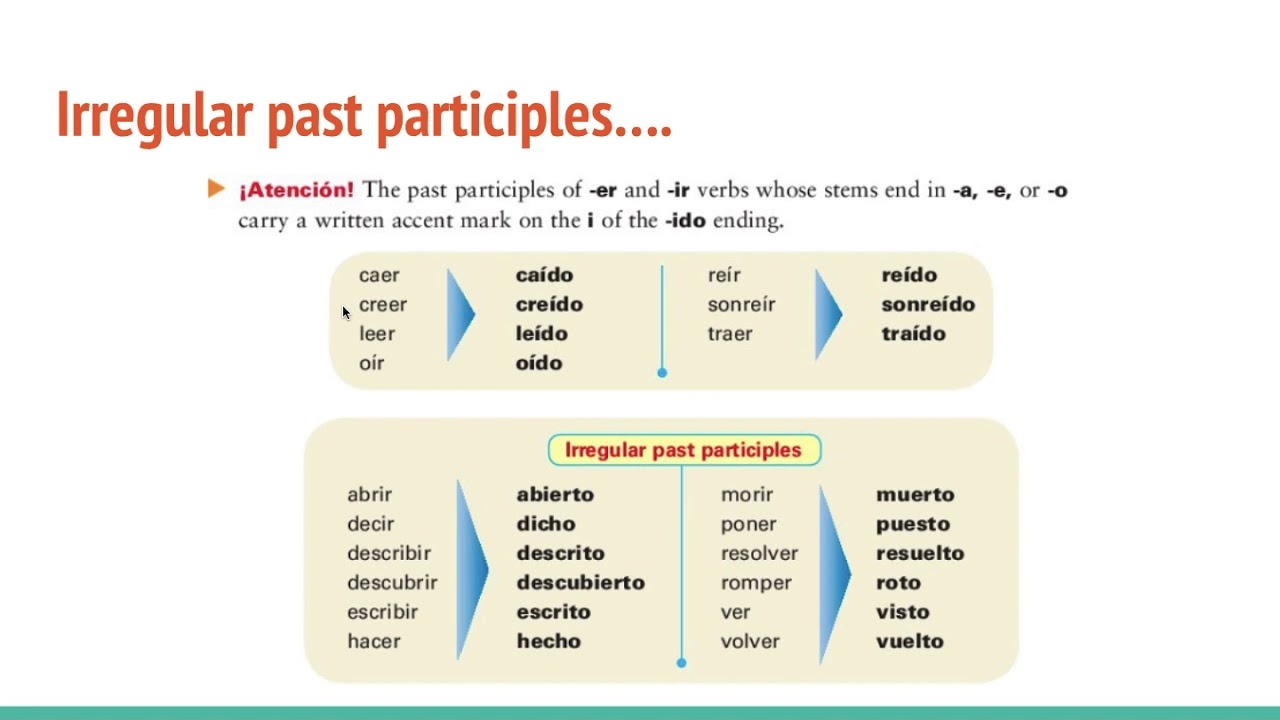
Past Participle In Spanish YouTube
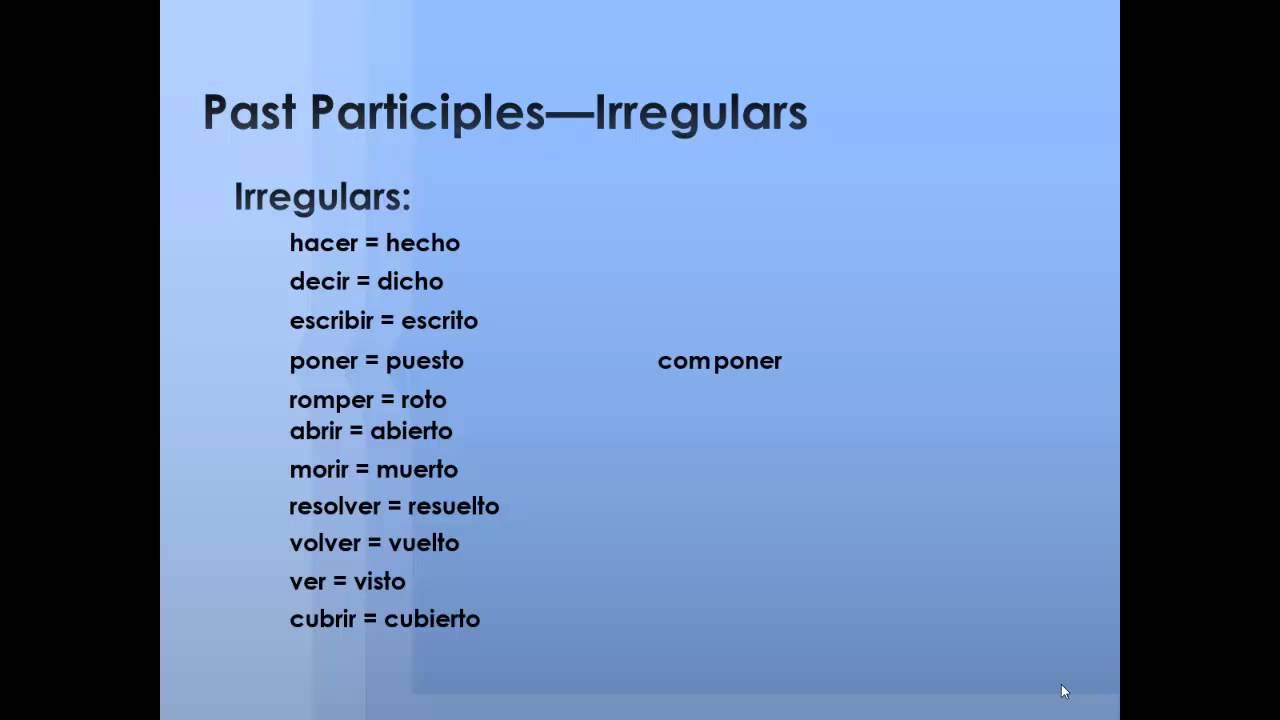
Present Perfect And Past Participles YouTube
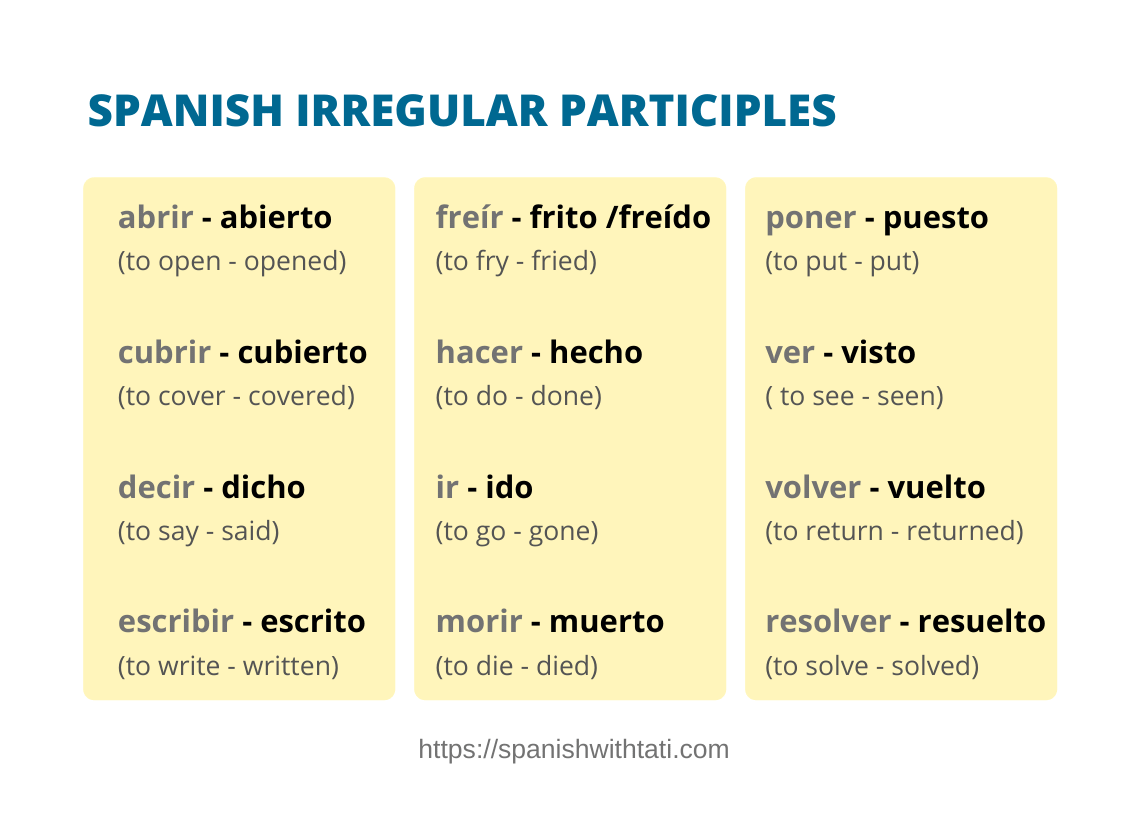
Spanish Past Irregular Participles Complete List With Examples Spanish With Tati