
Are you struggling to understand the difference between count and noncount nouns? Don’t worry, you’re not alone! Navigating the world of grammar can be tricky, but with a little guidance, you’ll be an expert in no time.
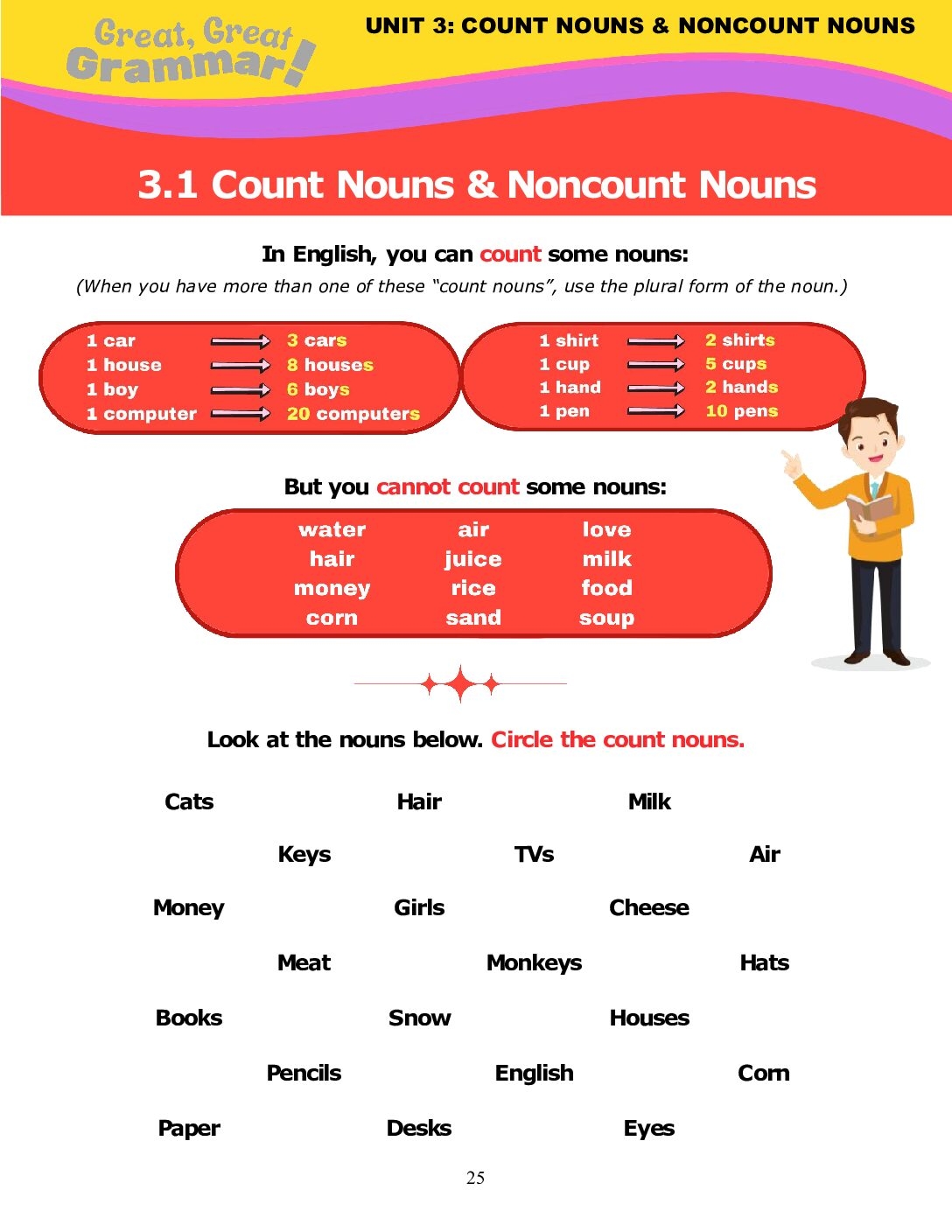
Count nouns refer to things that can be counted individually, like “apples” or “dogs.” Noncount nouns, on the other hand, refer to things that cannot be counted, such as “water” or “furniture.” Understanding this distinction is key to mastering English grammar.
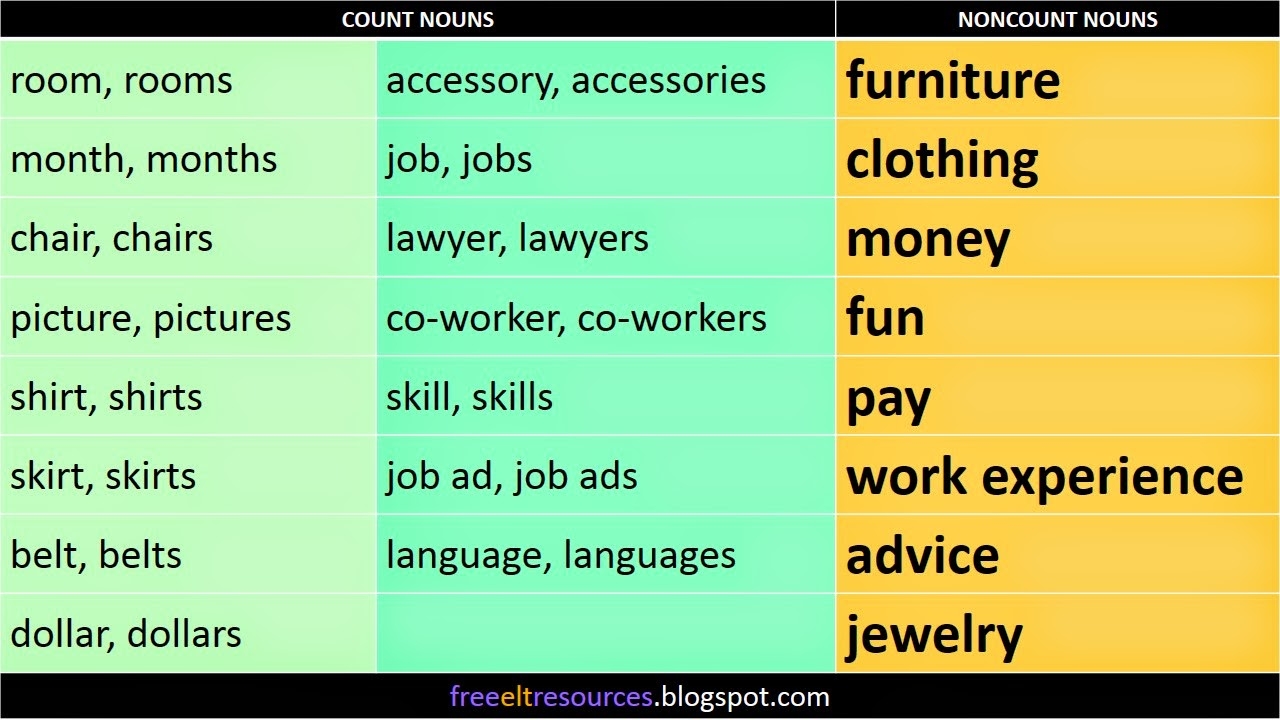
count and noncount nouns
Count and Noncount Nouns Demystified
One way to distinguish between count and noncount nouns is to look at how they are used in sentences. Count nouns can be preceded by numbers or quantifiers like “a,” “an,” or “many,” while noncount nouns are usually used with general quantifiers like “some” or “a lot of.”
Another important difference is that count nouns can be made plural by adding an “-s” or “-es” at the end, while noncount nouns do not have a plural form. For example, you can have one apple or many apples, but you cannot have one water or many waters.
It’s also worth noting that count nouns can be used with the indefinite article “a” or “an,” while noncount nouns do not typically use these articles. For example, you can say “a book” (count noun) but not “a furniture” (noncount noun).
By familiarizing yourself with these rules and practicing with examples, you’ll soon feel more confident in your ability to identify count and noncount nouns in sentences. Remember, the key to mastering grammar is practice and patience!
Next time you come across a tricky sentence, take a moment to identify the nouns and determine whether they are count or noncount. With a little practice, you’ll be a grammar pro in no time!
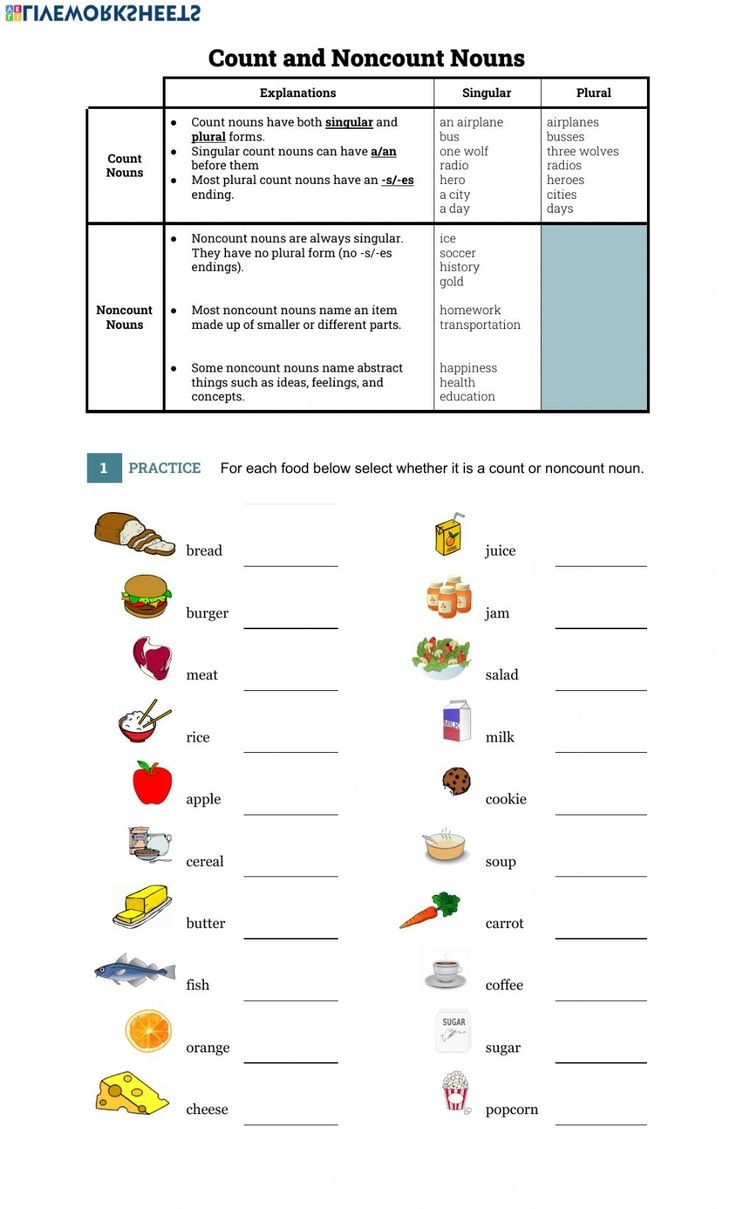
Count And Noncount Nouns Interactive Worksheet
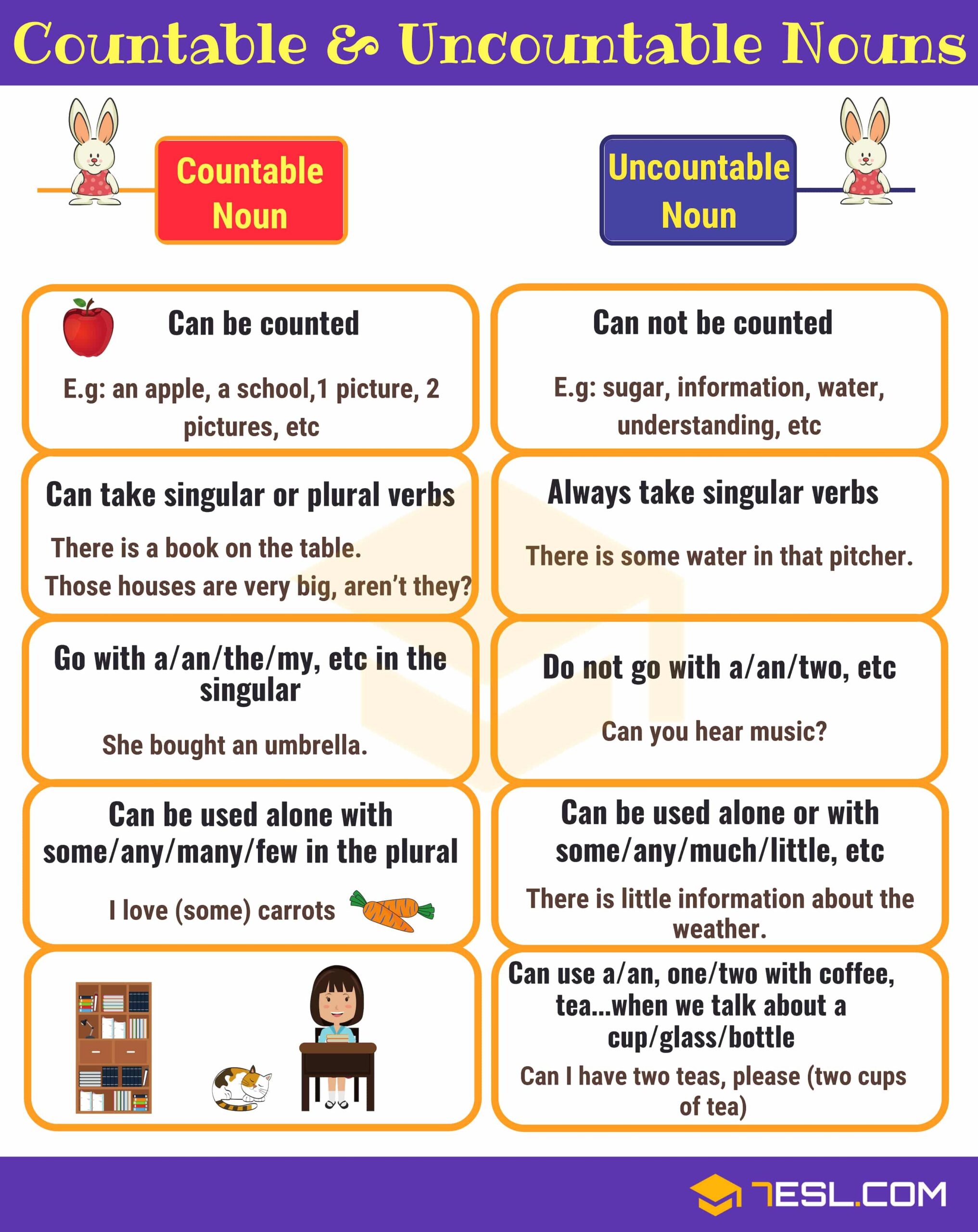
Countable And Uncountable Nouns In English 7ESL
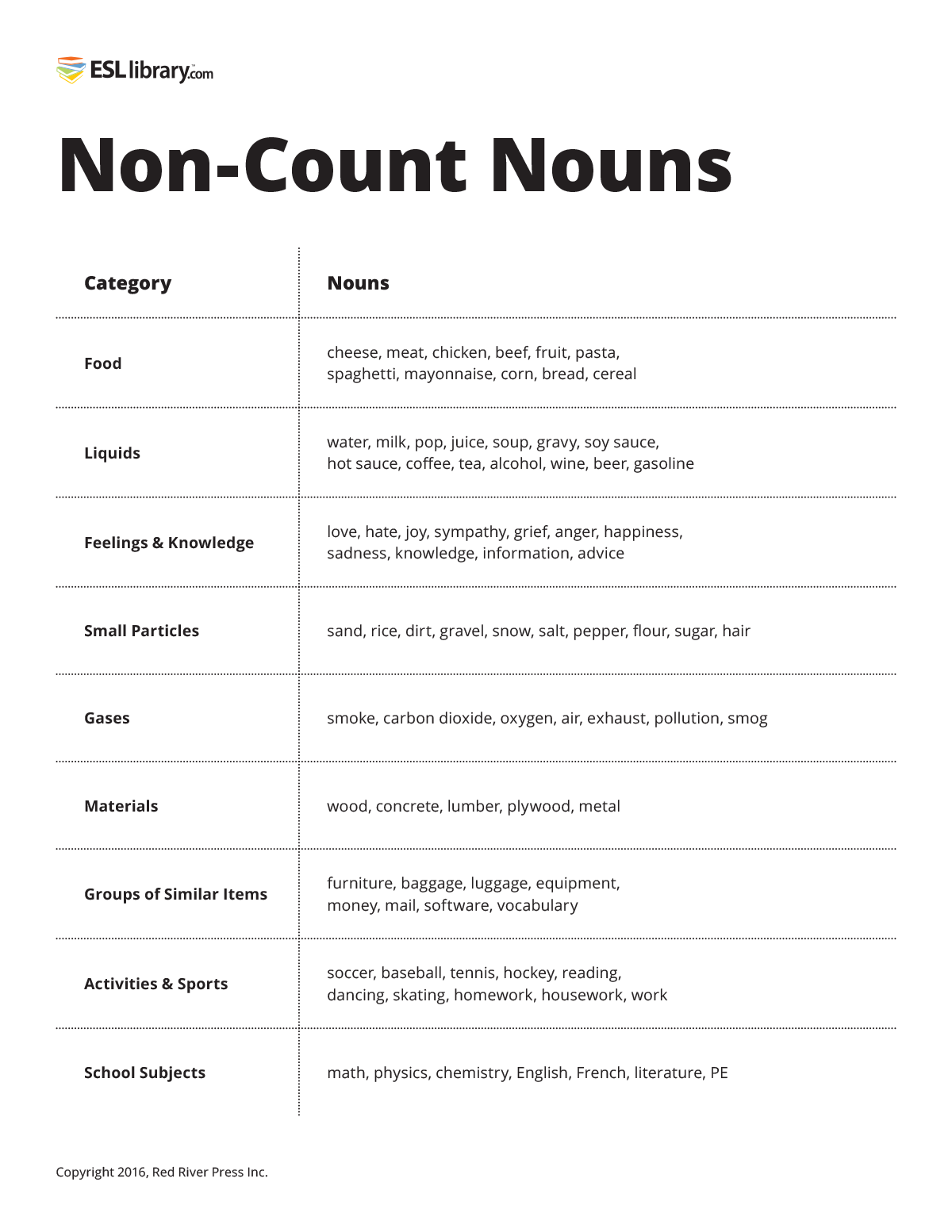
Count Non Count Nouns Ellii formerly ESL Library
ESL Grammar COUNT NONCOUNT NOUNS 1 Introduction Stickyball ESL Lessons