
Have you ever wondered about the if clause second conditional? It’s a fun and useful aspect of English grammar that can help you express hypothetical situations in a clear and concise way.
With the if clause second conditional, you can talk about things that are unlikely or impossible in the present or future. It’s a great tool for discussing hypothetical scenarios and their potential outcomes.
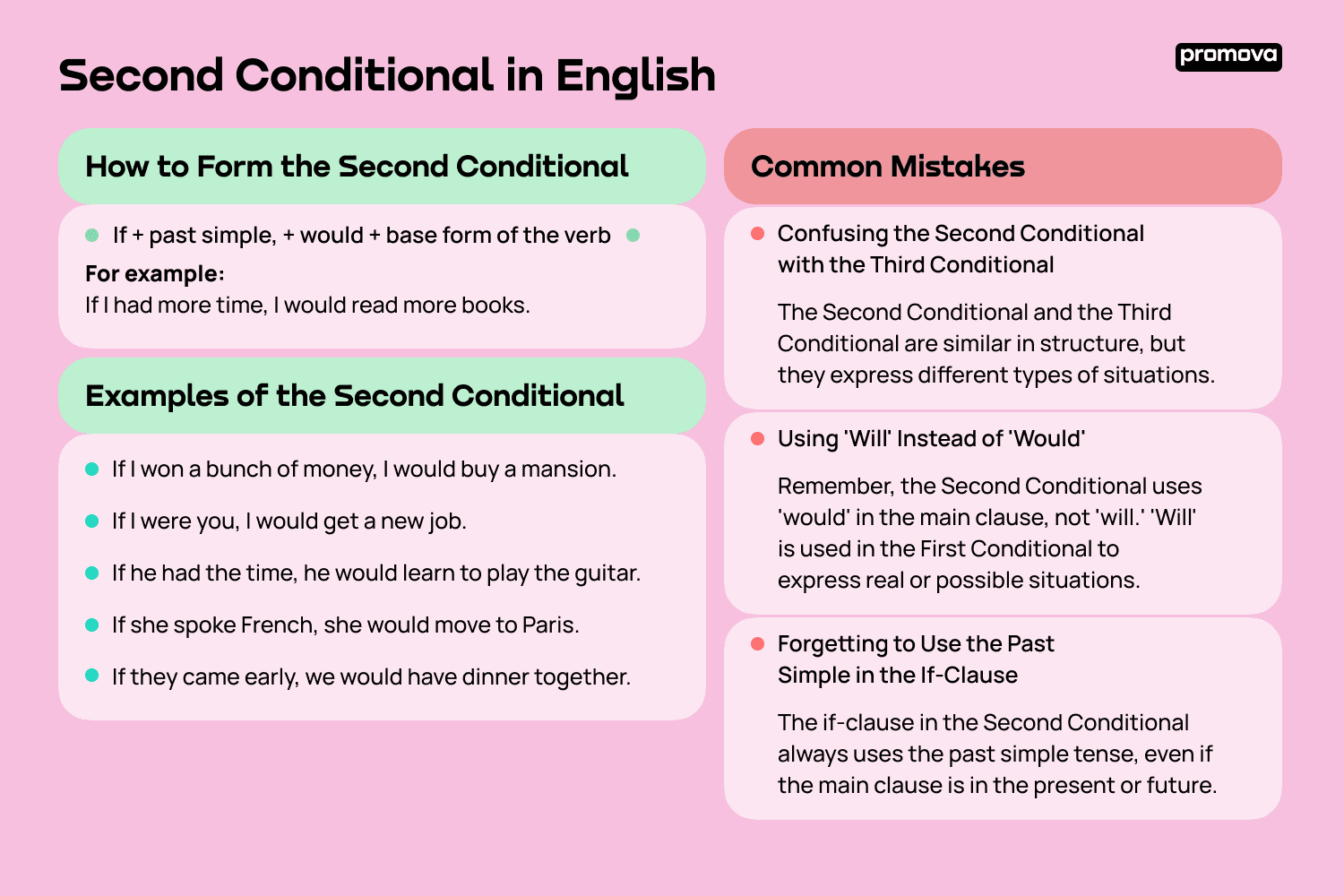
if clause second conditional
Exploring the if clause second conditional
When using the if clause second conditional, you start with “if” followed by a past simple verb, such as “were” or “had.” The main clause then uses the modal verb “would” plus the base form of the verb.
For example, you could say, “If I were a bird, I would fly everywhere.” This sentence expresses a hypothetical situation (being a bird) and its potential outcome (flying everywhere).
Another example could be, “If I had a million dollars, I would travel the world.” This sentence presents a hypothetical scenario (having a million dollars) and the resulting action (traveling the world).
By mastering the if clause second conditional, you can enhance your English language skills and have fun exploring imaginary situations. So next time you’re feeling creative, give it a try and see where your imagination takes you!
In conclusion, the if clause second conditional is a valuable tool for expressing hypothetical situations and their potential outcomes in English. So don’t be afraid to get creative and play around with this grammar structure in your conversations and writing.
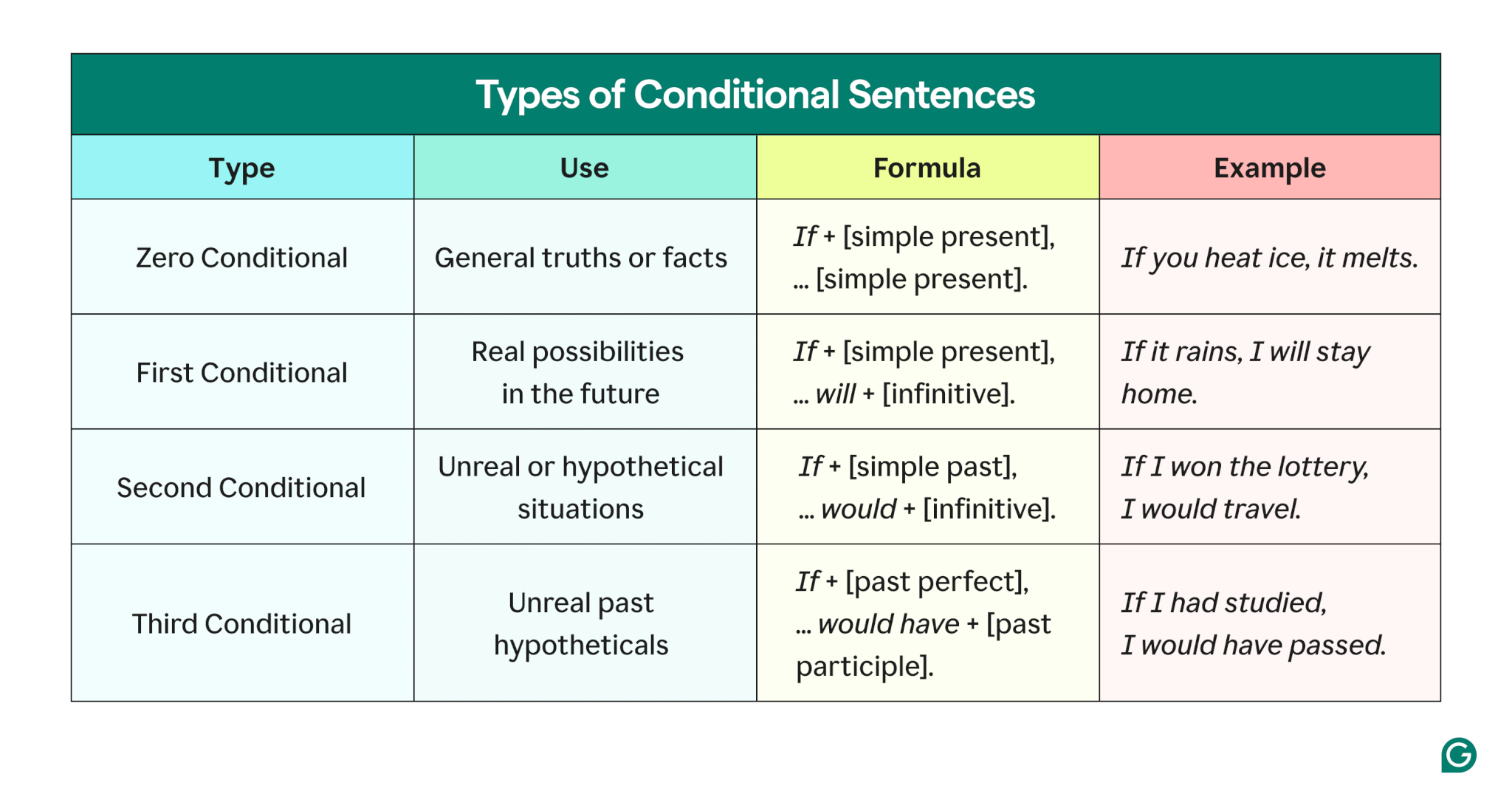
The 4 Types Of Conditional Sentences Grammarly
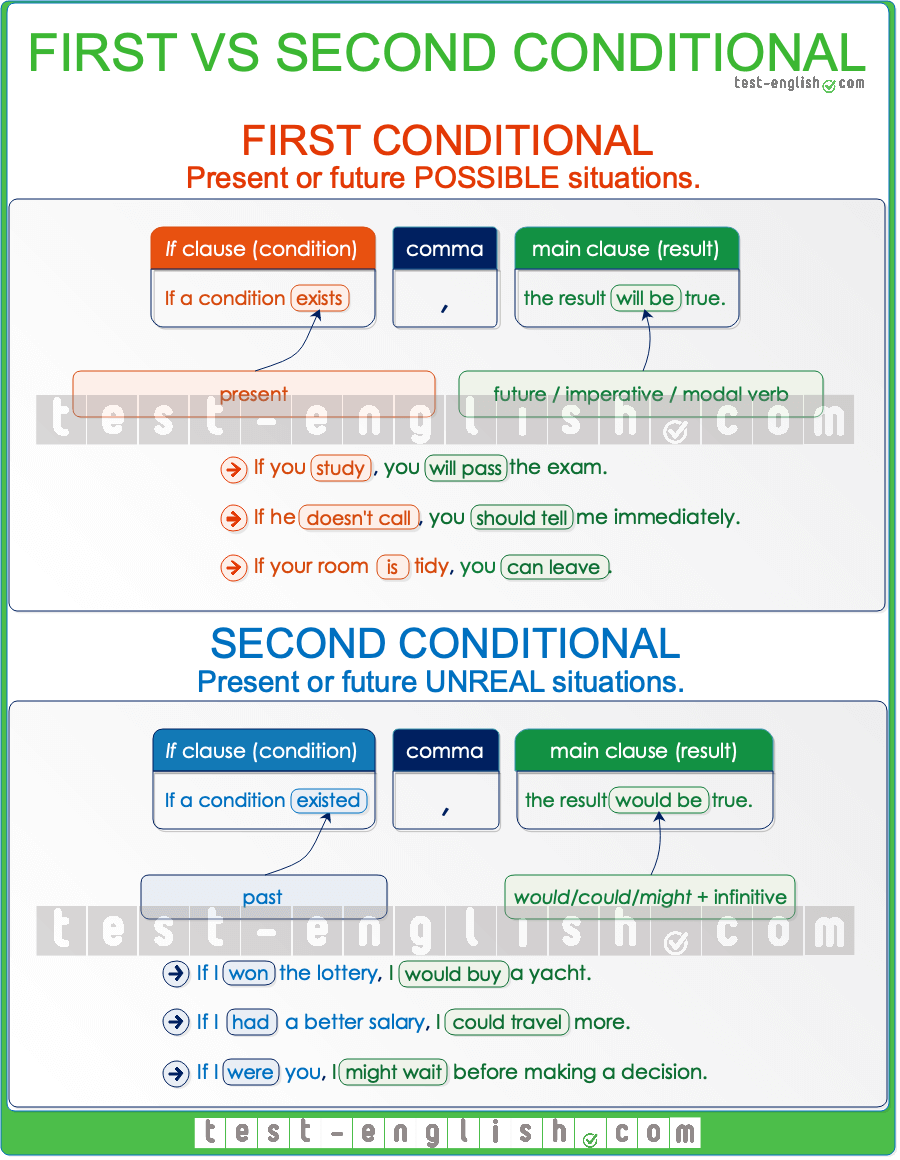
Second Conditional Test English
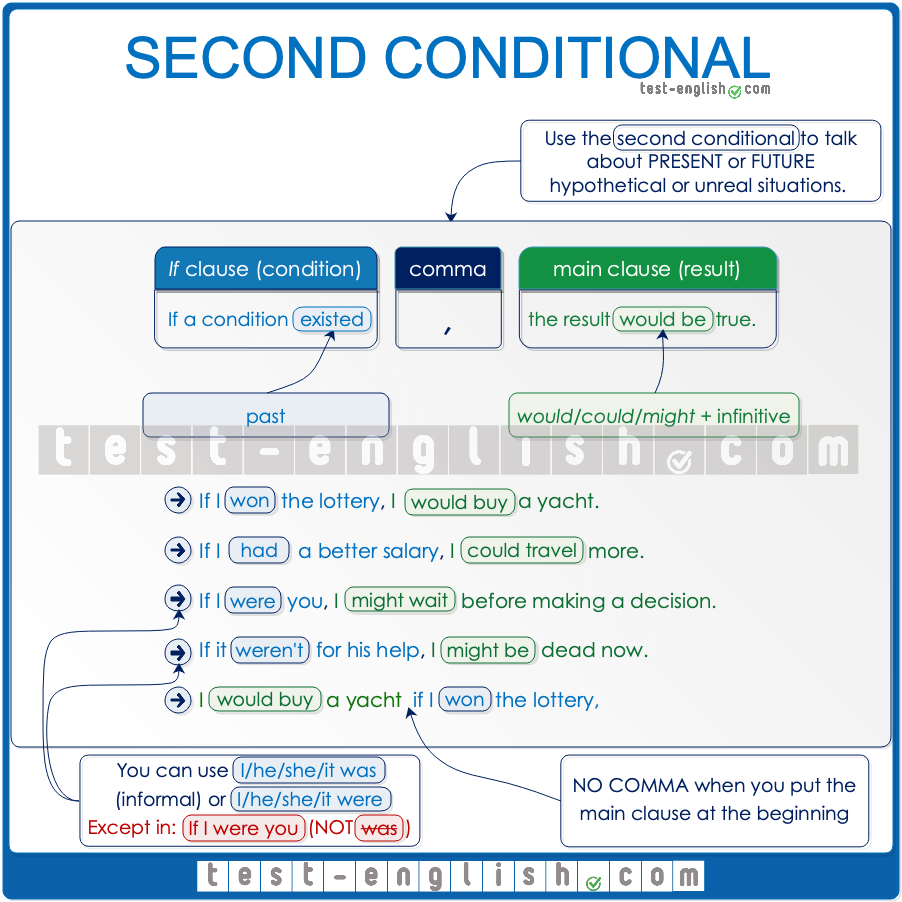
Second Conditional Test English
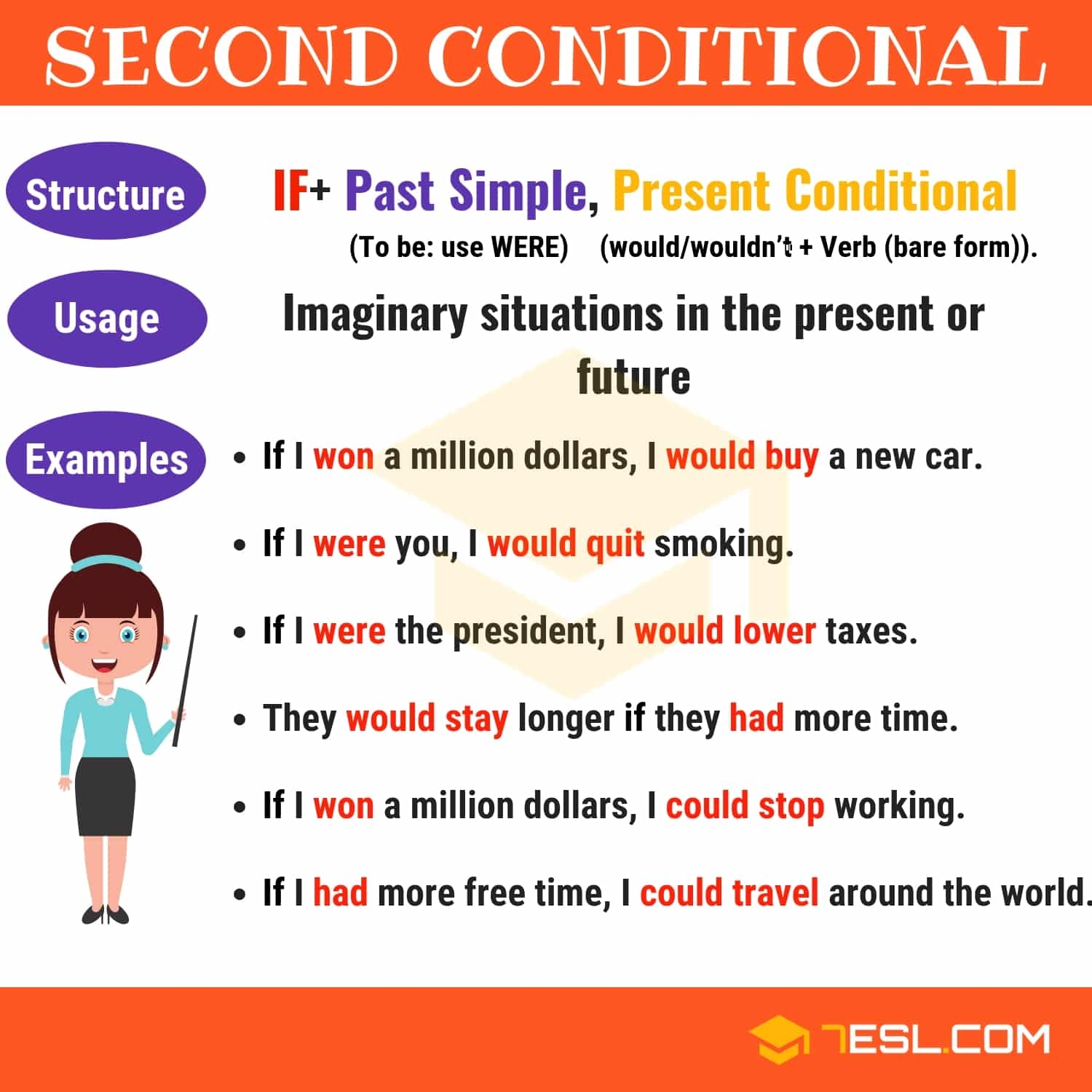
The Second Conditional Conditional Sentences Type 2 Usage Examples 7ESL