
Subordinating conjunctions are important elements in the English language that help connect dependent clauses to independent clauses. These conjunctions introduce subordinate clauses, giving additional information to the main clause.
They not only provide a smooth flow to your sentences but also indicate the relationship between the two clauses. Common subordinating conjunctions include words like “although,” “because,” “while,” “if,” and “since.”
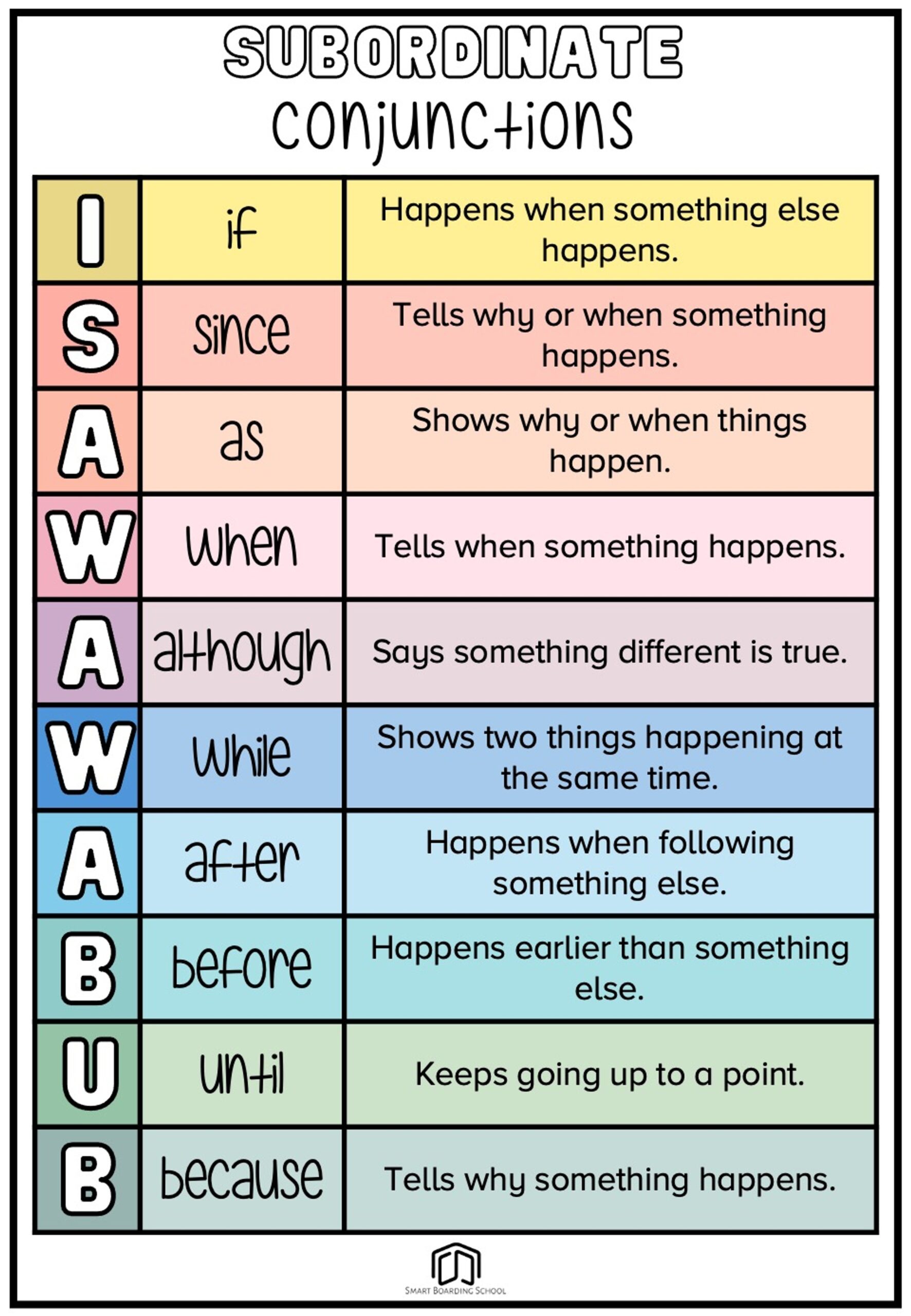
what are the subordinating conjunctions
What are the subordinating conjunctions?
Subordinating conjunctions are versatile and can express various relationships such as time, cause and effect, condition, contrast, and purpose. For example, “although” shows contrast, “because” indicates cause and effect, and “if” introduces a condition.
Using subordinating conjunctions correctly can enhance the clarity and coherence of your writing. They help create complex sentences that convey complex ideas effectively. By mastering these conjunctions, you can elevate the sophistication of your writing.
Remember to punctuate your sentences correctly when using subordinating conjunctions. Typically, a comma is placed after the dependent clause if it comes before the independent clause. However, if the independent clause precedes the dependent clause, no comma is needed.
Overall, subordinating conjunctions play a vital role in connecting ideas and enriching the structure of your sentences. By understanding how to use them effectively, you can improve the quality of your writing and communicate your thoughts more clearly.
Next time you sit down to write, consider incorporating subordinating conjunctions to add depth and complexity to your sentences. Practice using them in different contexts to become more familiar with their functions and nuances. Happy writing!
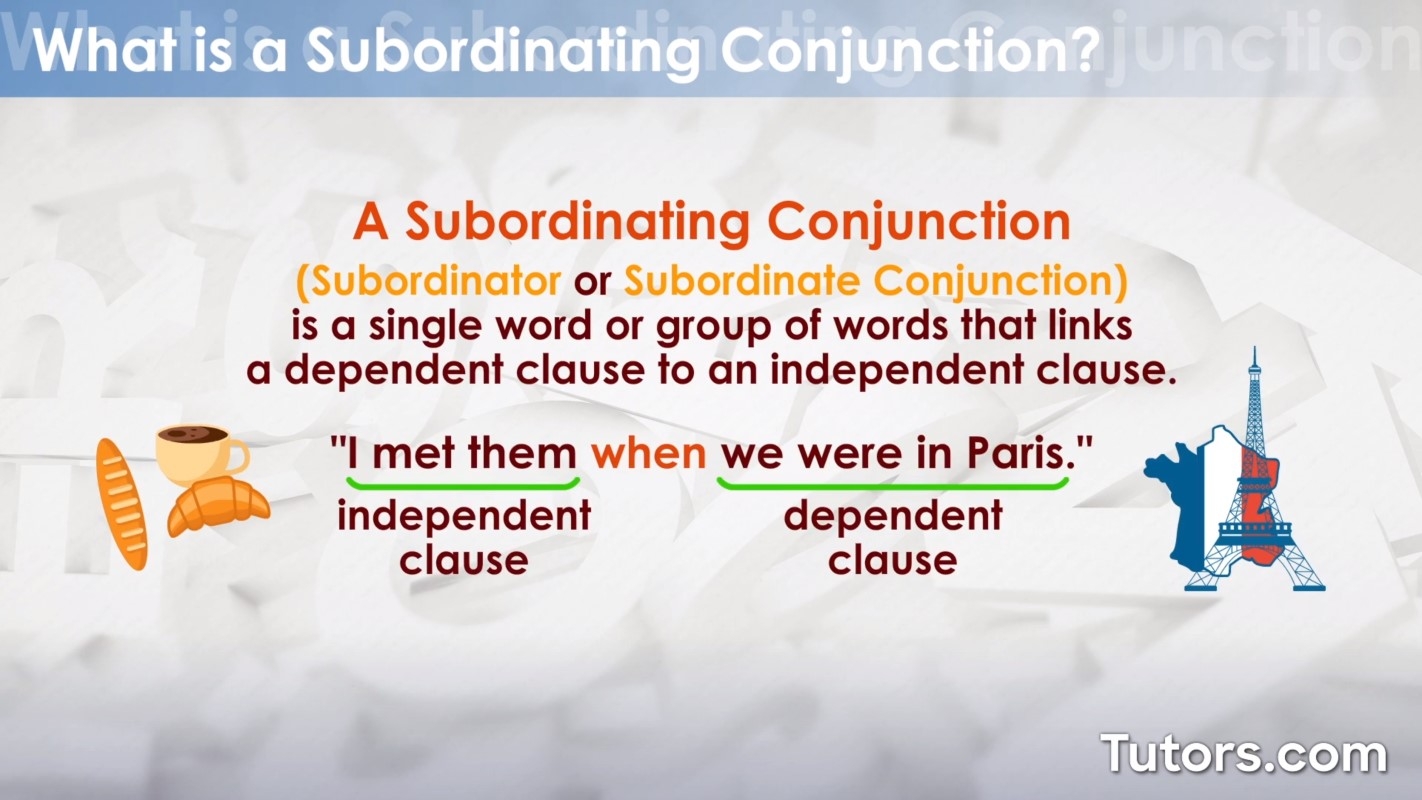
Subordinating Conjunctions Definition And Examples
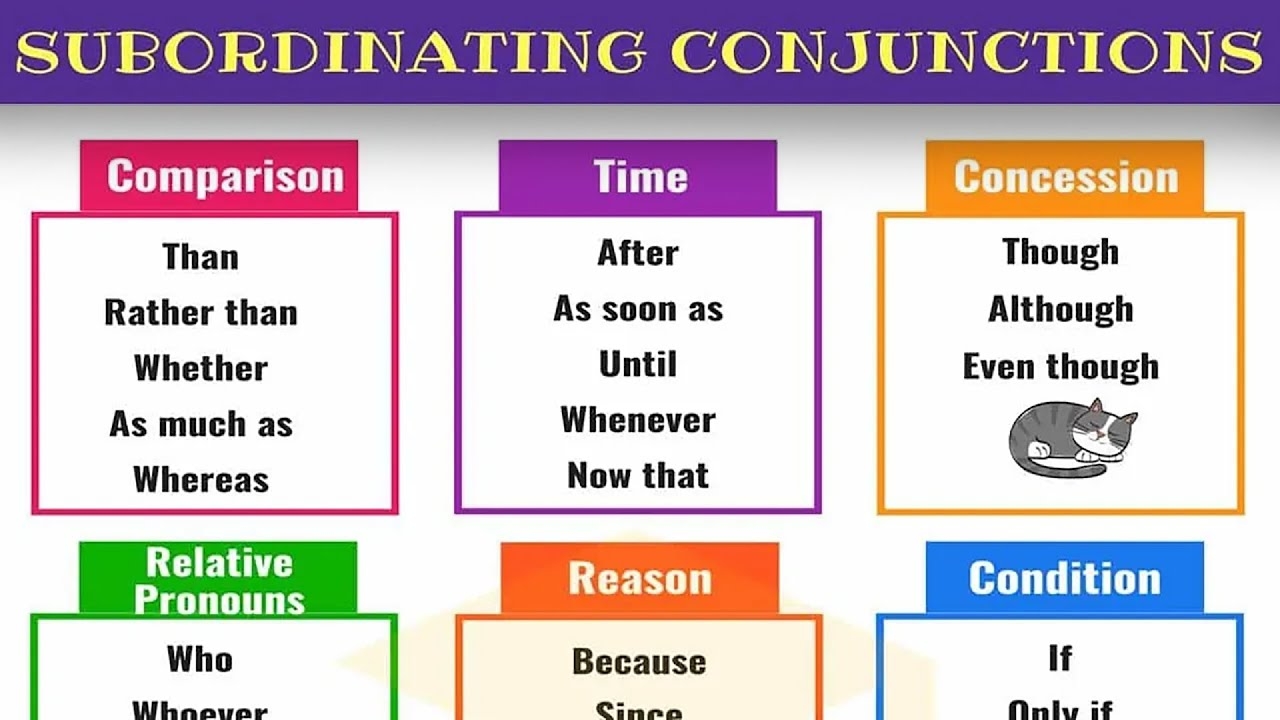
Subordinating Conjunctions In English Grammar YouTube
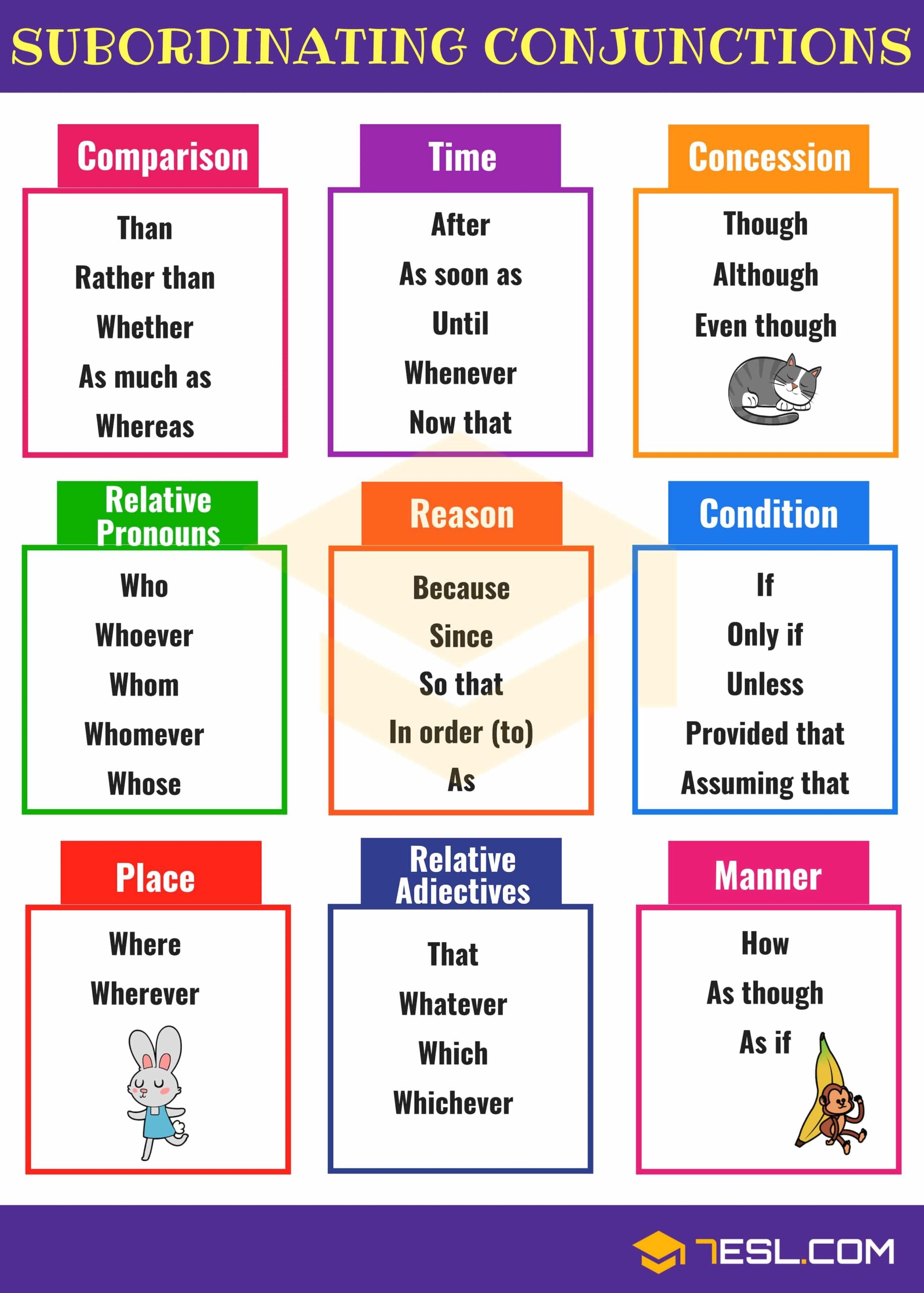
Subordinating Conjunctions In English 7ESL
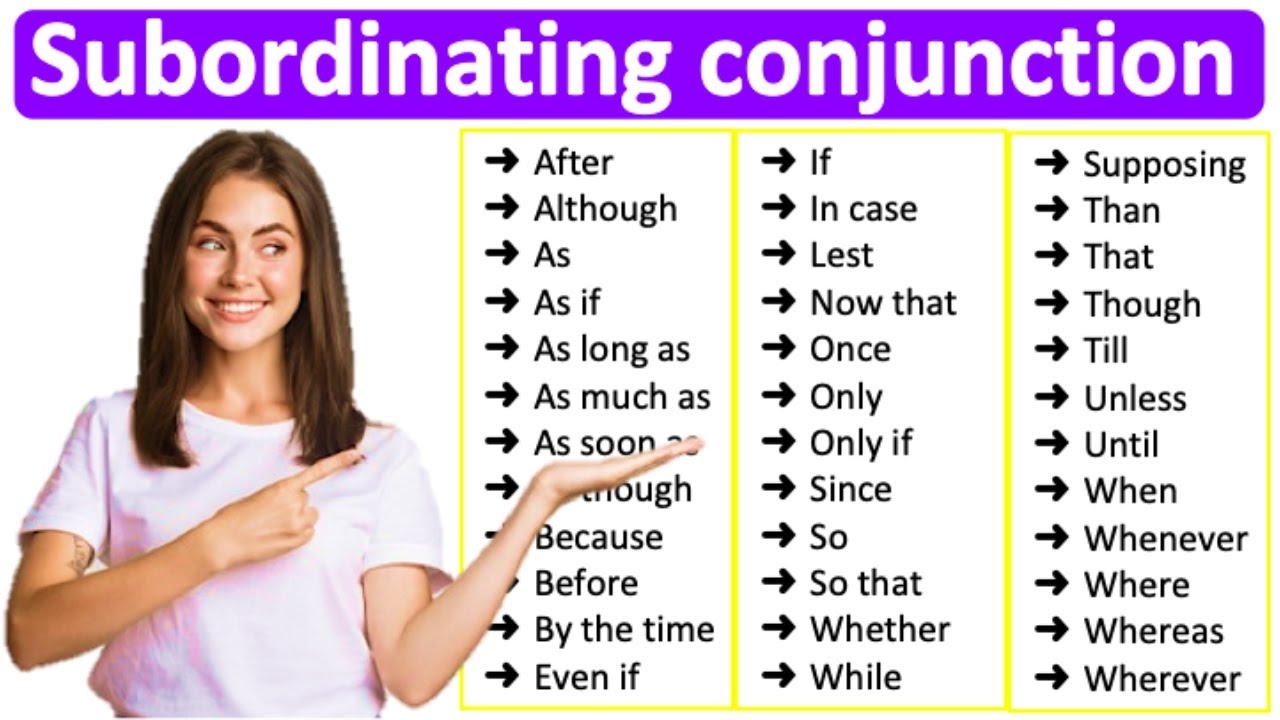
SUBORDINATING CONJUNCTIONS Learn All Types With Examples English Grammar YouTube