
Have you ever struggled with understanding the present perfect tense in English? It can be a bit tricky, but once you get the hang of it, you’ll be using it like a pro!
The present perfect tense is used to talk about actions that were completed in the past but have some relevance to the present. It’s formed by using the auxiliary verb “have” or “has” followed by the past participle of the main verb.
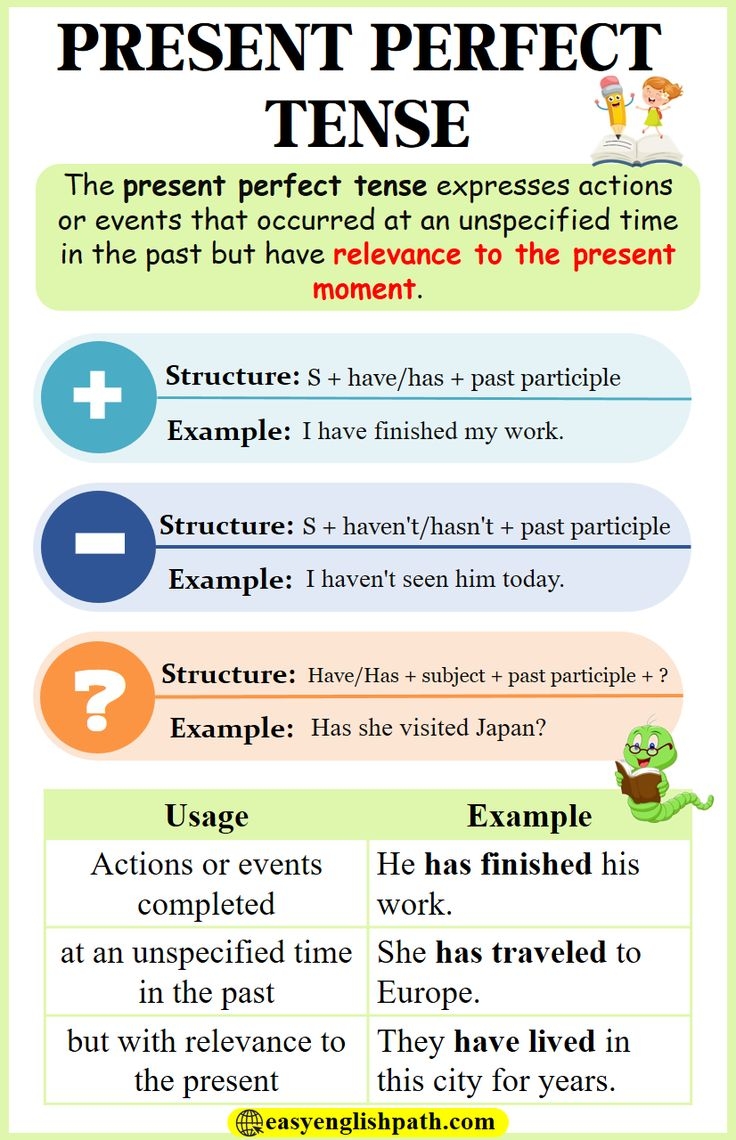
what is present perfect
What is Present Perfect?
For example, if you say, “I have studied English for five years,” you’re using the present perfect tense to indicate that you started studying English in the past and are still studying it now. It shows a connection between the past and the present.
Another example could be, “She has traveled to many countries.” This sentence tells us that she has visited various places in the past, and this experience is relevant to the present moment.
It’s important to remember that the present perfect tense is not used to talk about specific times in the past. Instead, it focuses on the actions themselves and their connection to the present.
So, the next time you’re talking about past experiences or actions that have some impact on the present, remember to use the present perfect tense. It’s a versatile and useful tool in English grammar that can help you express yourself more accurately.
Practice using the present perfect tense in your conversations and writing to become more comfortable with it. Before you know it, you’ll be using it effortlessly and impressing everyone with your language skills!
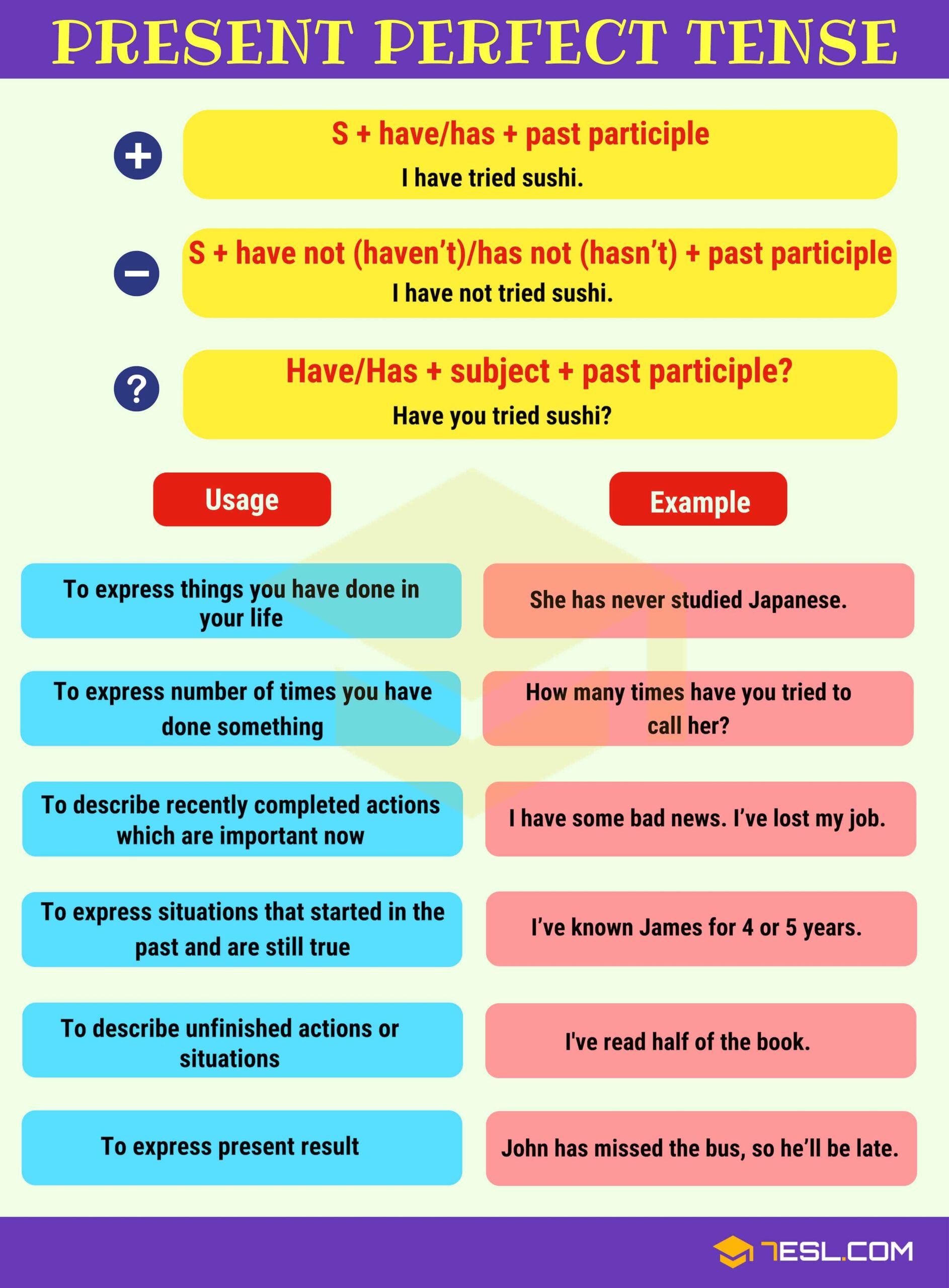
Present Perfect Tense Definition Rules And Useful Examples 7ESL
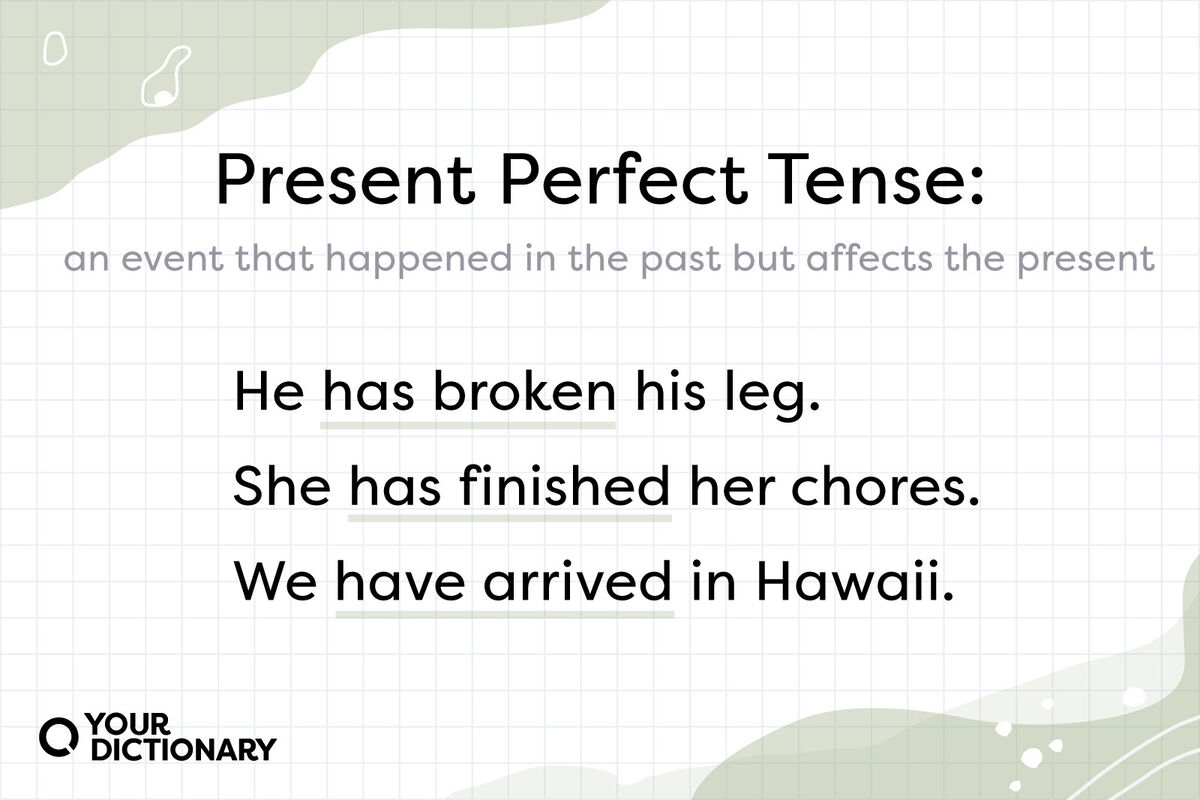
Present Perfect Tense Examples YourDictionary
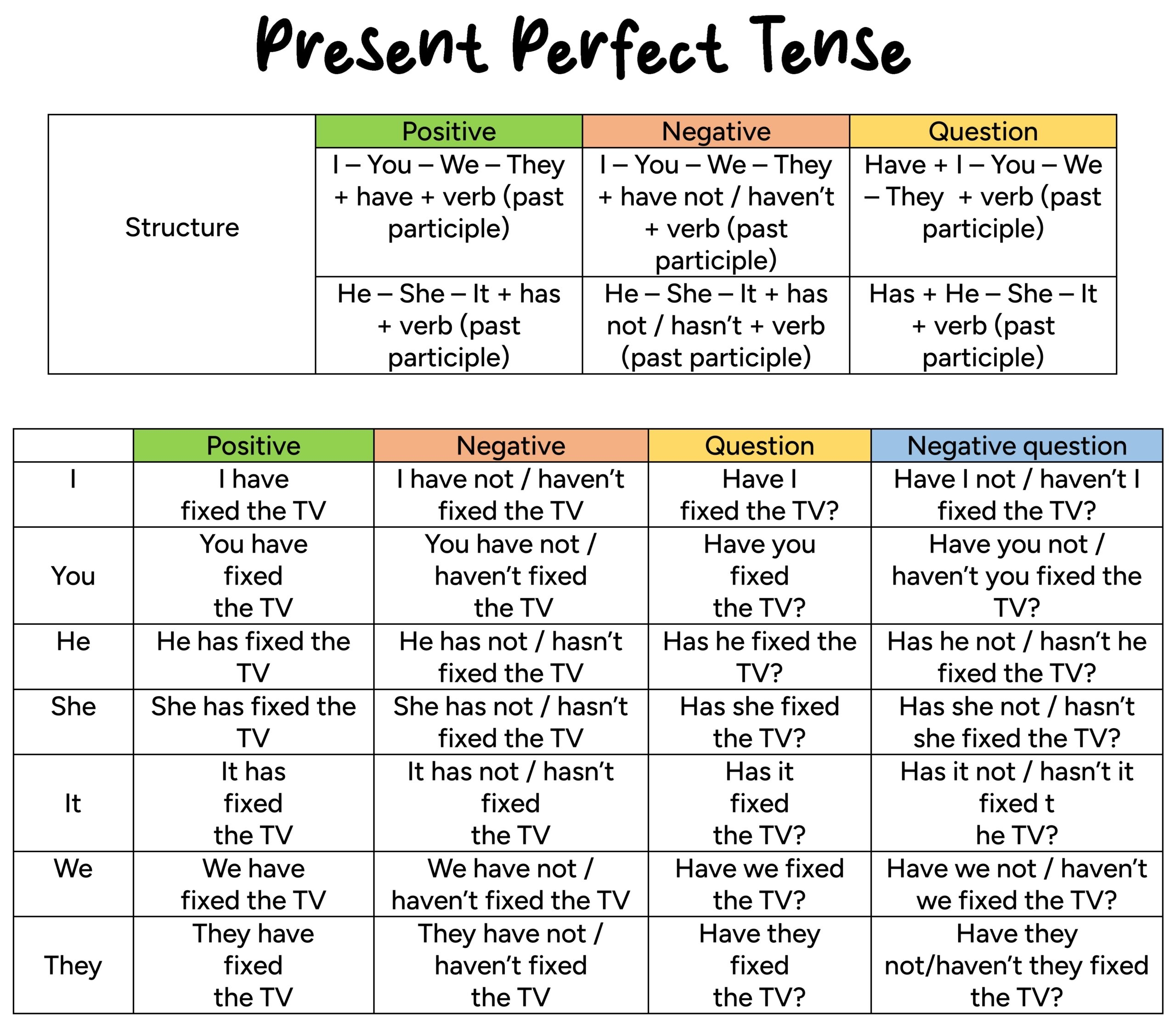
Present Perfect Tense English For Yourself
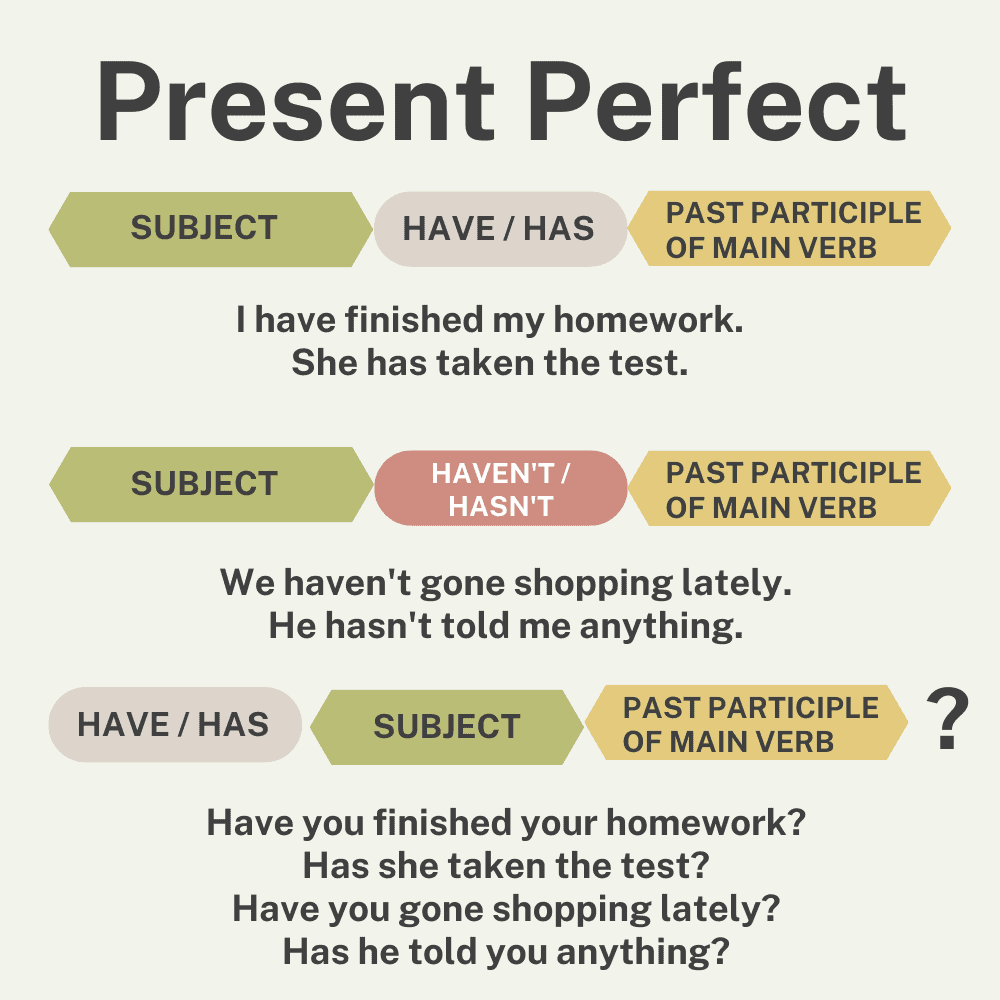
Present Perfect Tense In English How To Use It Examples