
Have you ever wondered about the present continuous tense and how to use it in English? It’s a simple yet powerful tool to describe actions happening right now or in the near future.
When we talk about actions that are currently taking place, we use the present continuous tense. For example, “I am writing an article” or “She is cooking dinner.” It adds a dynamic and immediate feel to our language.
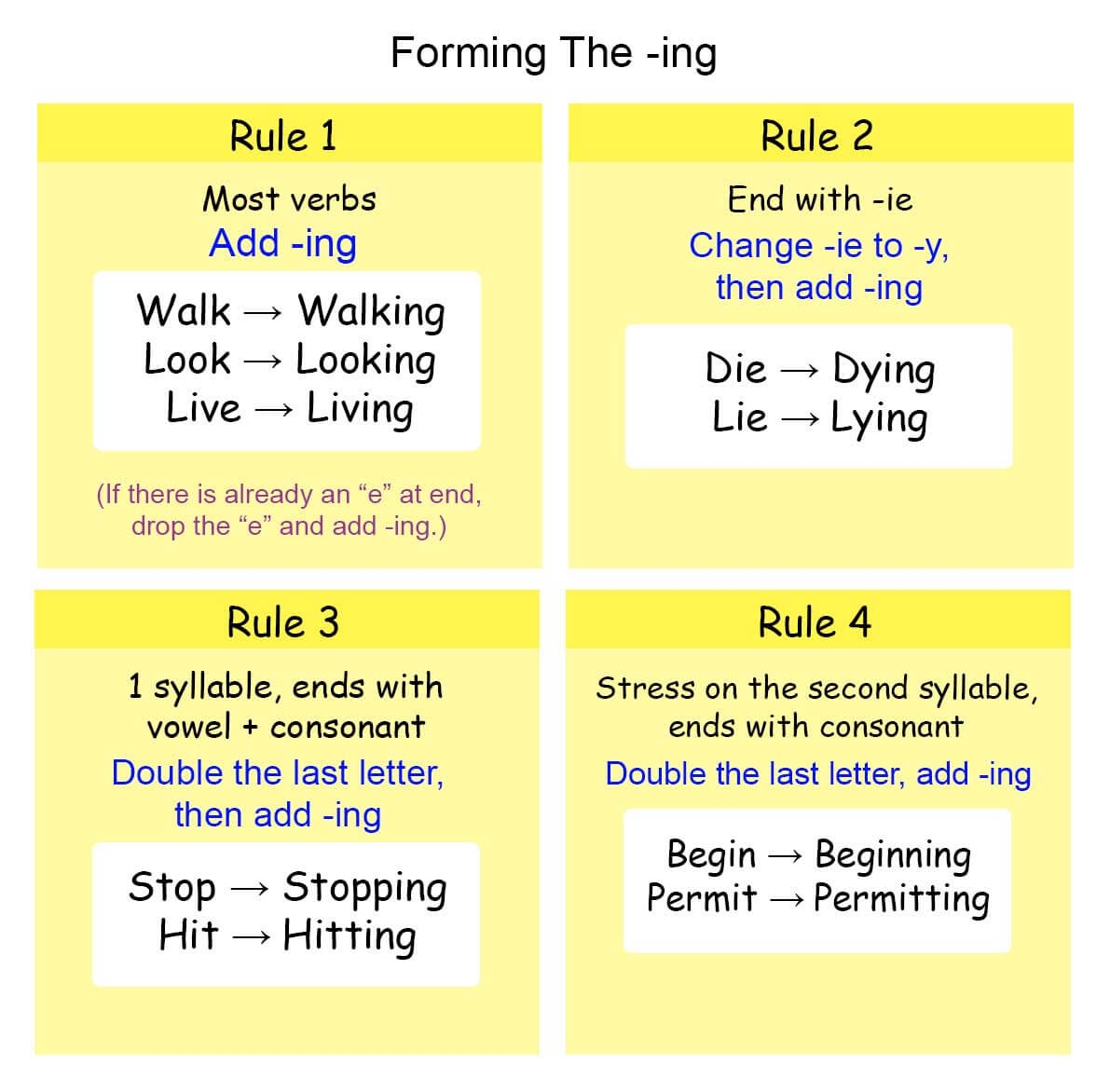
present tense present continuous tense
Understanding the Present Continuous Tense
To form the present continuous tense, we use the verb “to be” in the present tense (am, is, are) followed by the base form of the main verb and an -ing ending. For instance, “He is playing football” or “They are studying for exams.”
This tense is also used to describe future plans or arrangements. When we say, “I am meeting my friends for lunch tomorrow,” we are using the present continuous tense to express a future action that has already been decided or planned.
It’s important to pay attention to the context of the sentence when using the present continuous tense. Sometimes, it can also imply annoyance or irritation, as in “She is always interrupting me.” The tone and body language can help clarify the intended meaning.
Practice using the present continuous tense in your conversations to become more comfortable with it. It’s a versatile and straightforward way to express actions happening now or in the future. Before you know it, you’ll be using it naturally and effortlessly.
In conclusion, the present continuous tense is a handy tool for describing ongoing actions or future plans in English. By mastering this tense, you can add depth and immediacy to your language. So go ahead, start practicing and incorporating it into your everyday conversations!
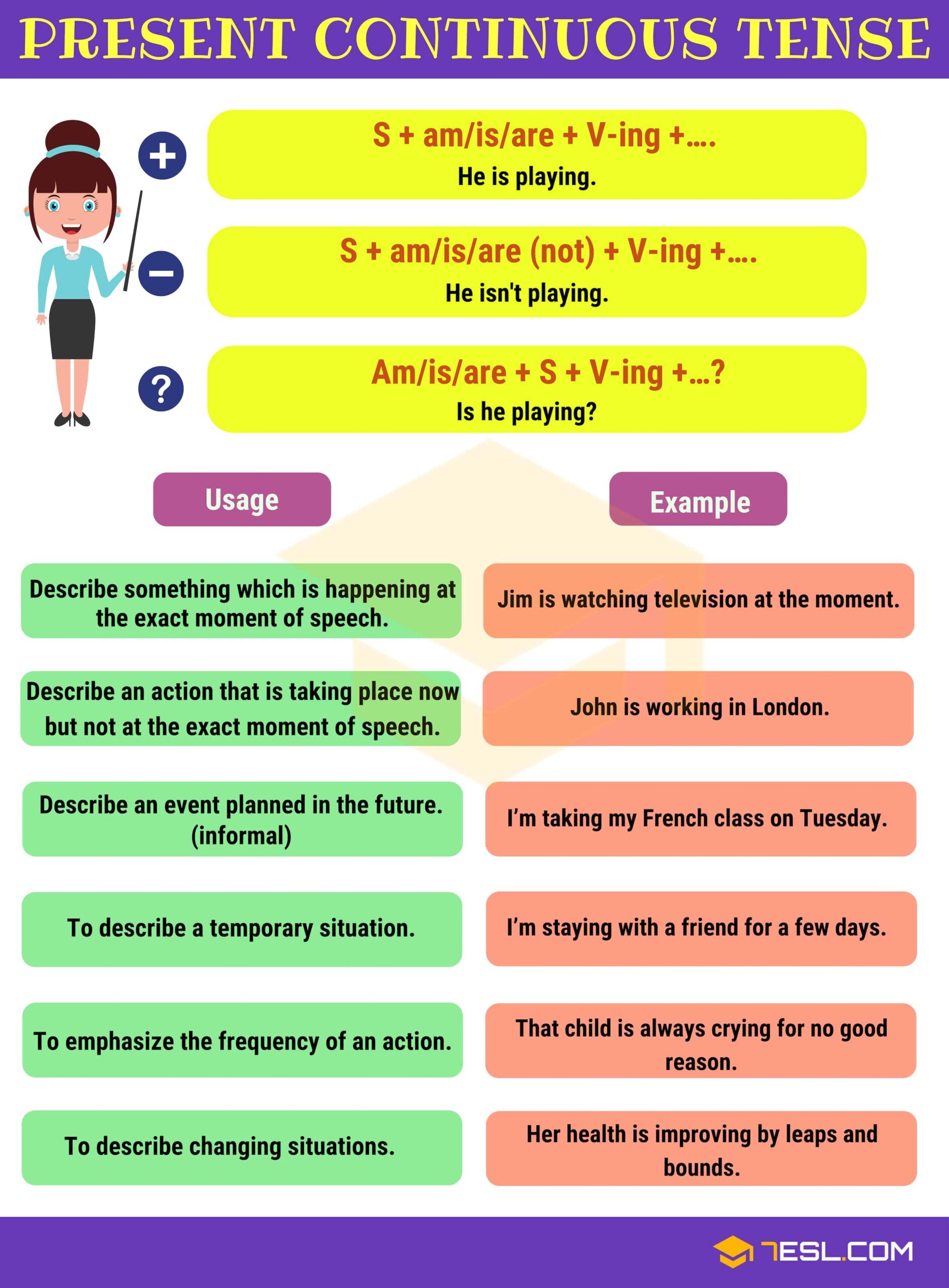
Present Continuous Tense Definition Useful Rules And Examples 7ESL
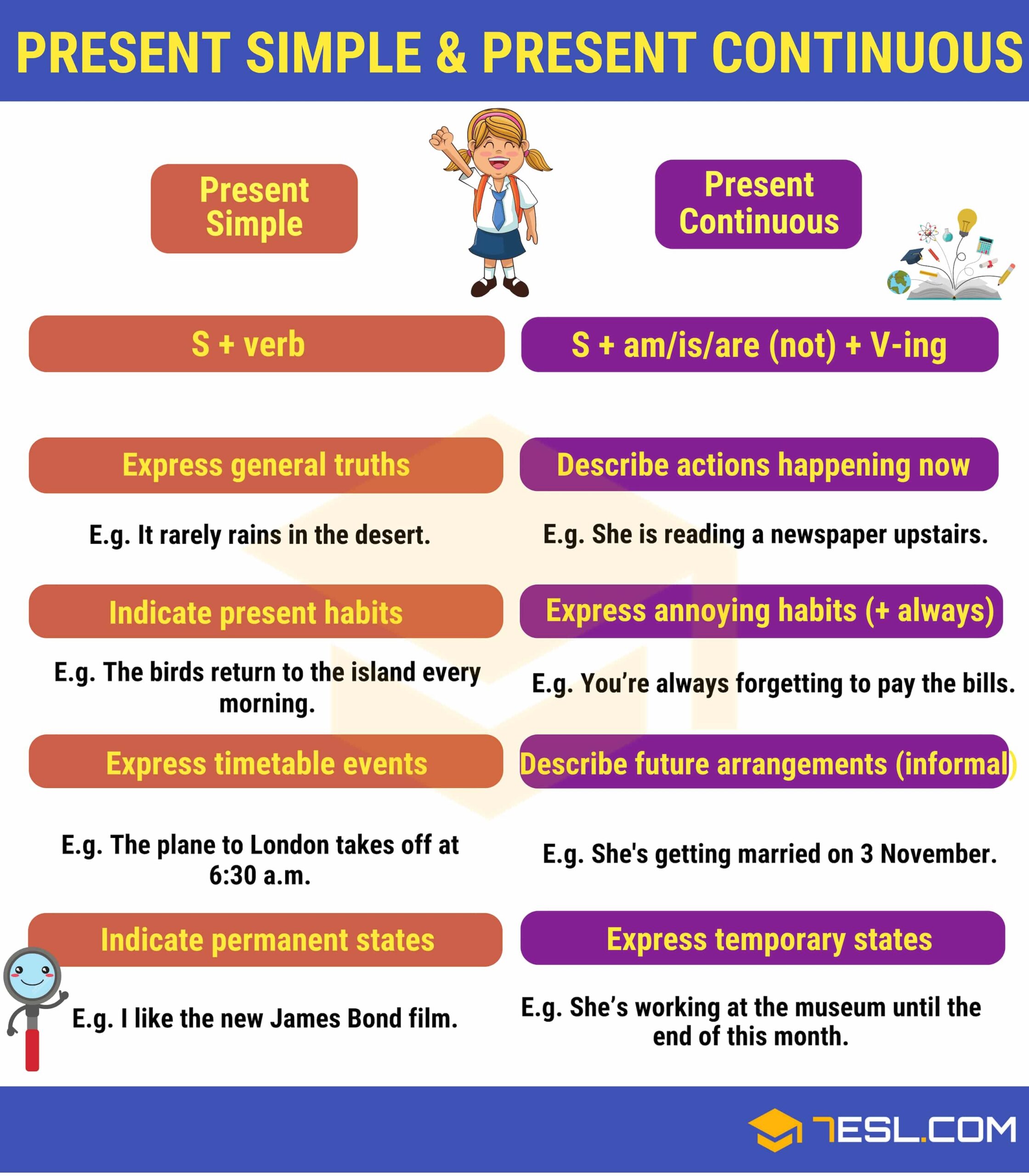
Present Simple And Present Continuous Important Differences 7ESL
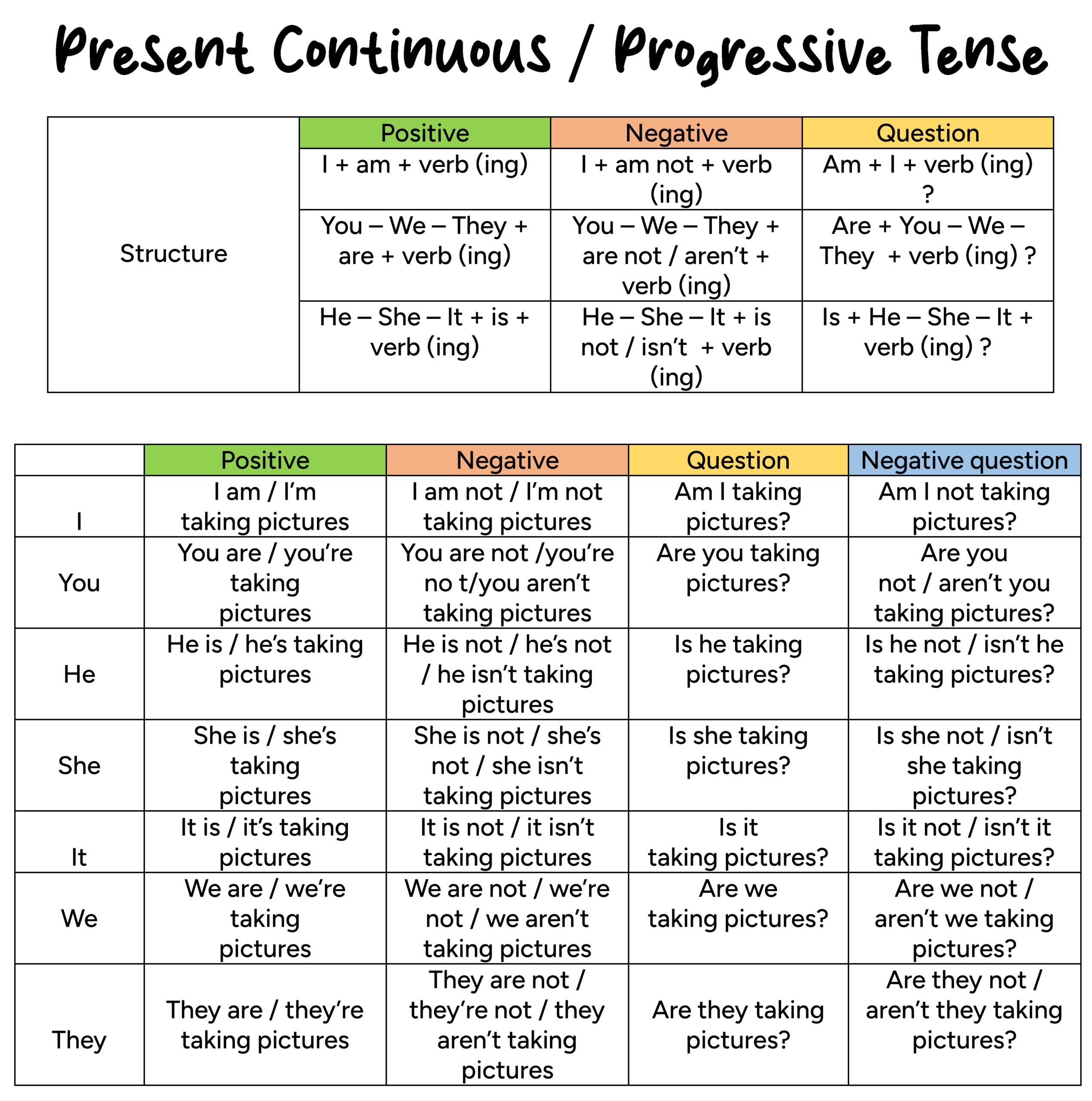
Present Continuous Or Progressive Tense English For Yourself
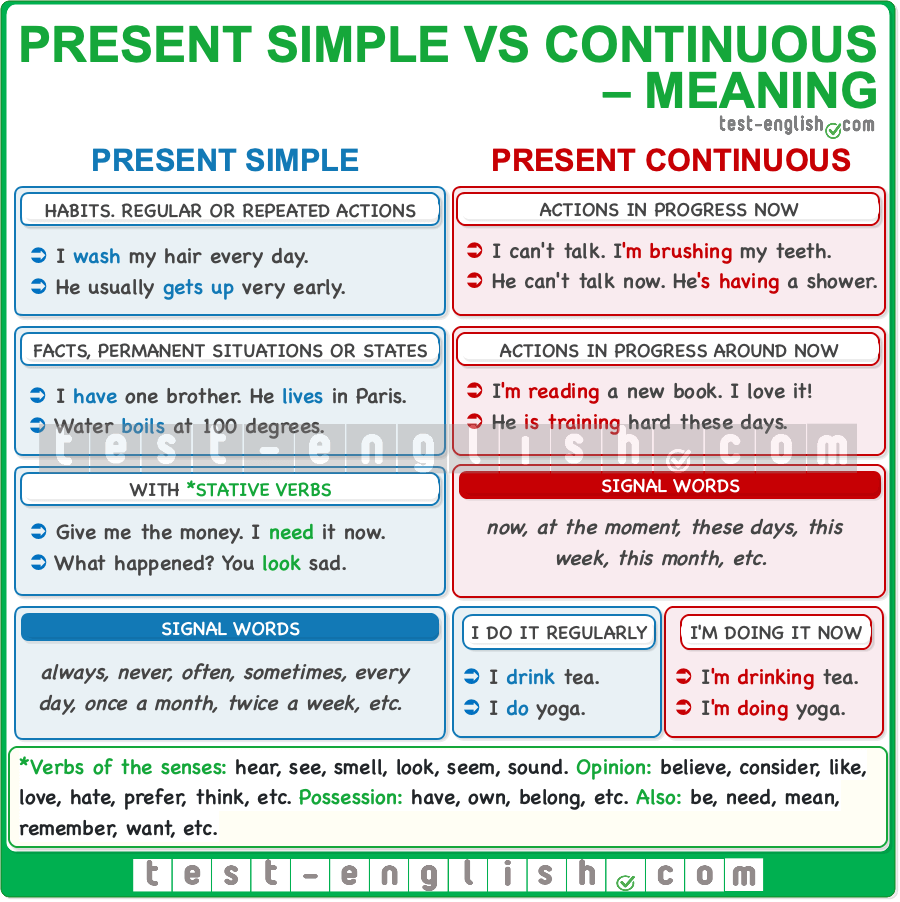
Present Simple Or Present Continuous Test English