
Are you curious about the present continuous tense? It’s a fun and versatile verb form that can add excitement and action to your sentences. Let’s dive into the world of the present continuous tense and discover how to use it in everyday conversation.
When we talk about the present continuous tense, we’re referring to actions that are happening right now or around the current time. It’s all about what is currently taking place, whether it’s something temporary or in progress. This tense adds a dynamic element to your language, making your sentences more engaging and lively.
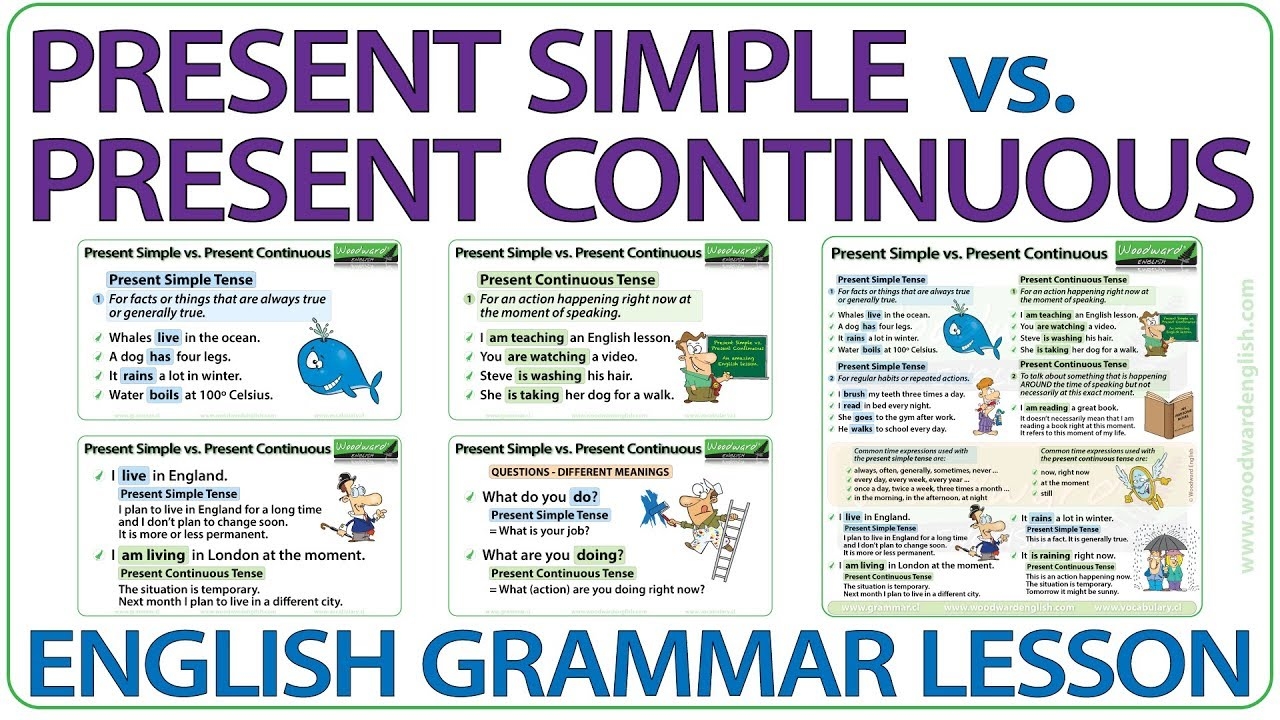
tenses present continuous tense
The Basics of Present Continuous Tense
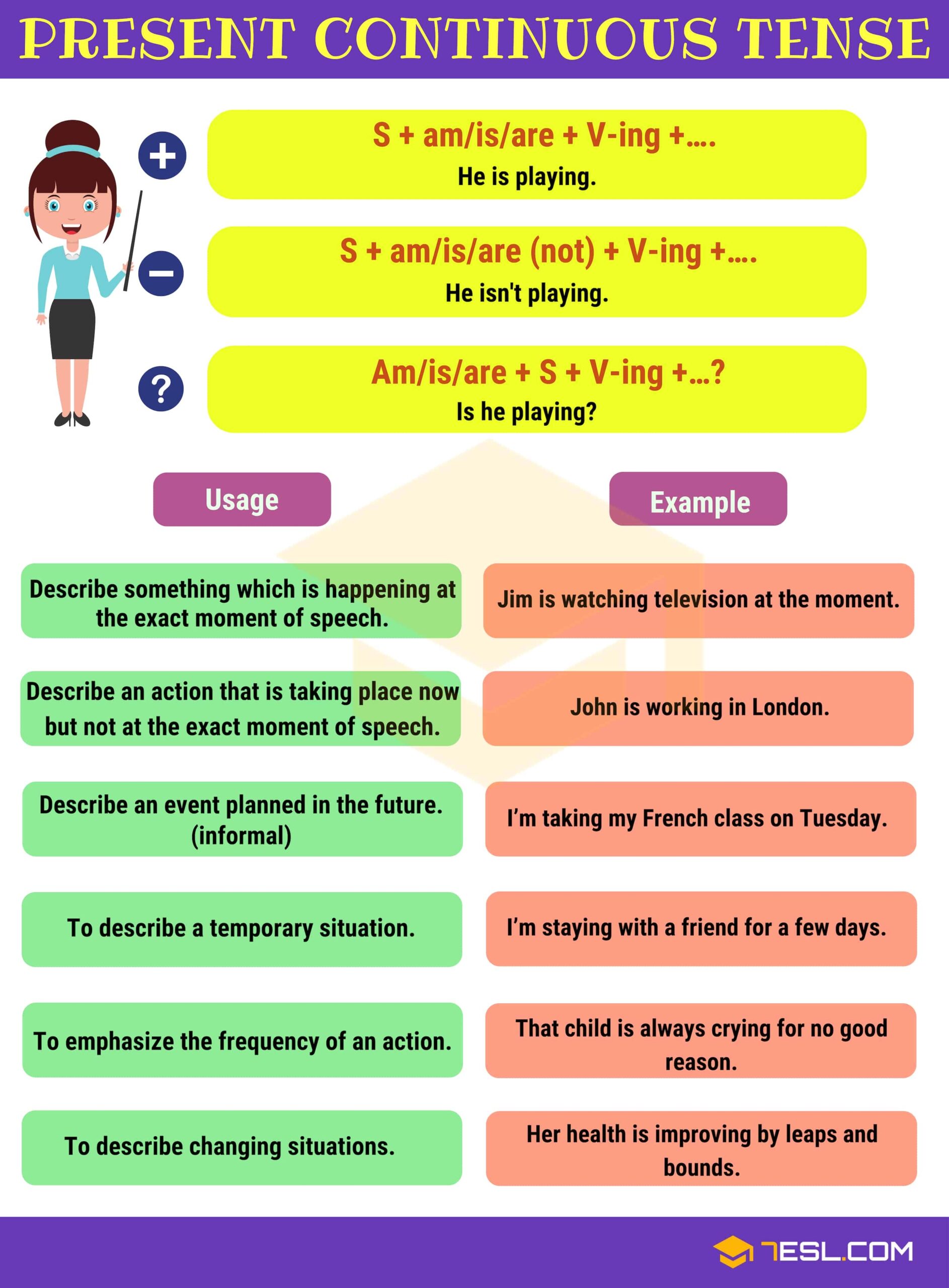
To form the present continuous tense, you need the verb “to be” in the present tense (am, is, are) followed by the base form of the main verb + -ing. For example, “I am eating,” “She is running,” or “They are studying.” This structure helps convey the idea that an action is ongoing or happening at this moment.
One of the key uses of the present continuous tense is to talk about actions that are happening right now. For instance, you might say, “I am writing an article” or “She is talking on the phone.” This tense is perfect for describing current activities and events in real-time.
In addition to current actions, the present continuous tense can also describe future plans and arrangements. By using this tense, you can indicate scheduled events or activities that are already confirmed. For example, “We are meeting for lunch tomorrow” or “He is flying to Paris next week.” It adds a sense of immediacy and certainty to your statements.
So, next time you want to spice up your sentences and make them more dynamic, consider using the present continuous tense. Whether you’re talking about current actions, future plans, or ongoing events, this versatile verb form can bring your language to life. Give it a try and see how it transforms your communication!
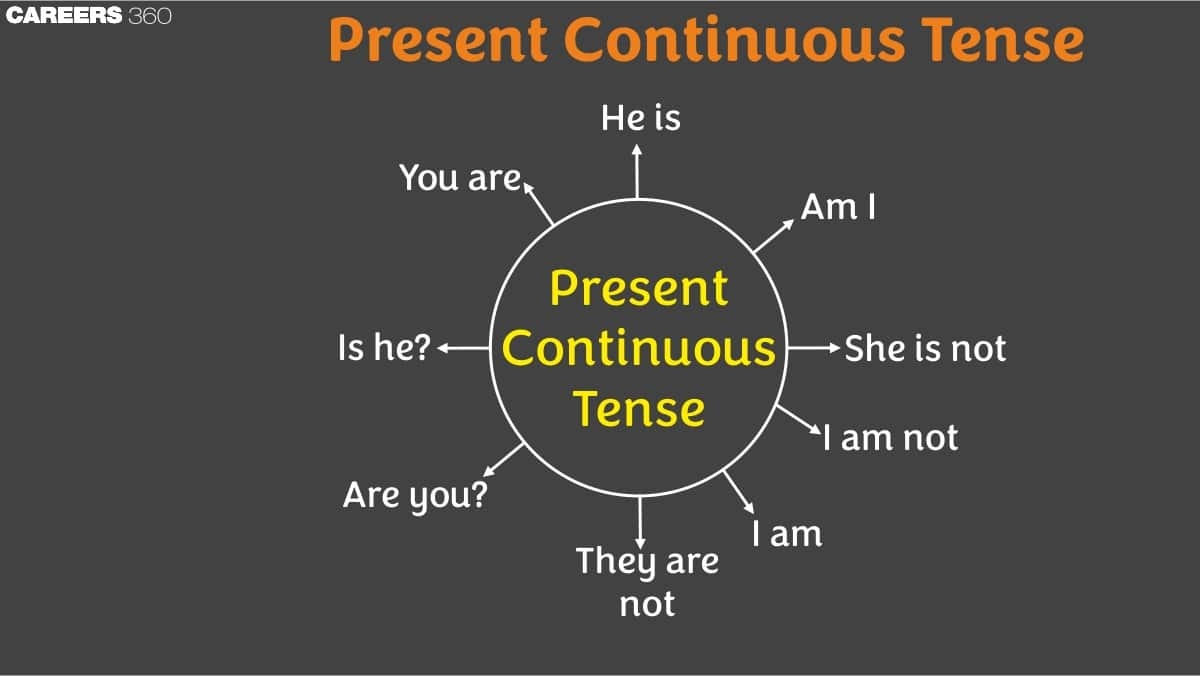
Present Continuous Tense Definition Rules Structure Uses Examples
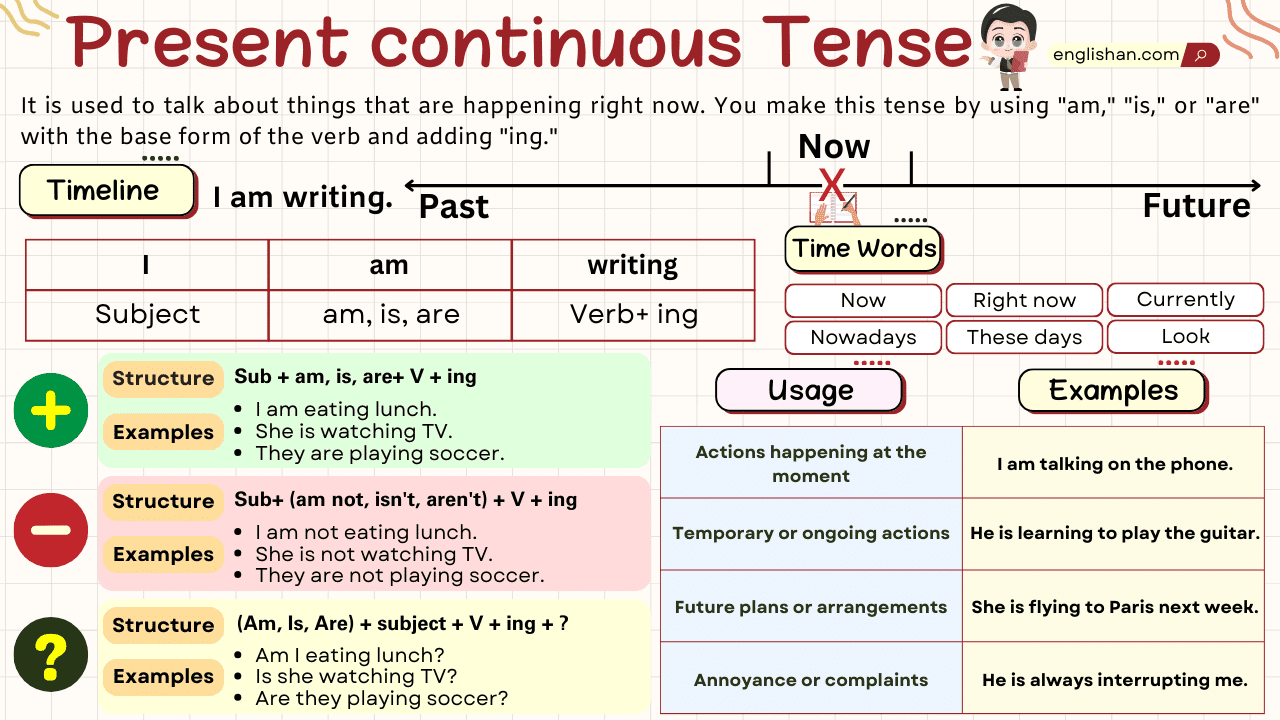
Present Continuous Tense Rules Uses Examples Englishan
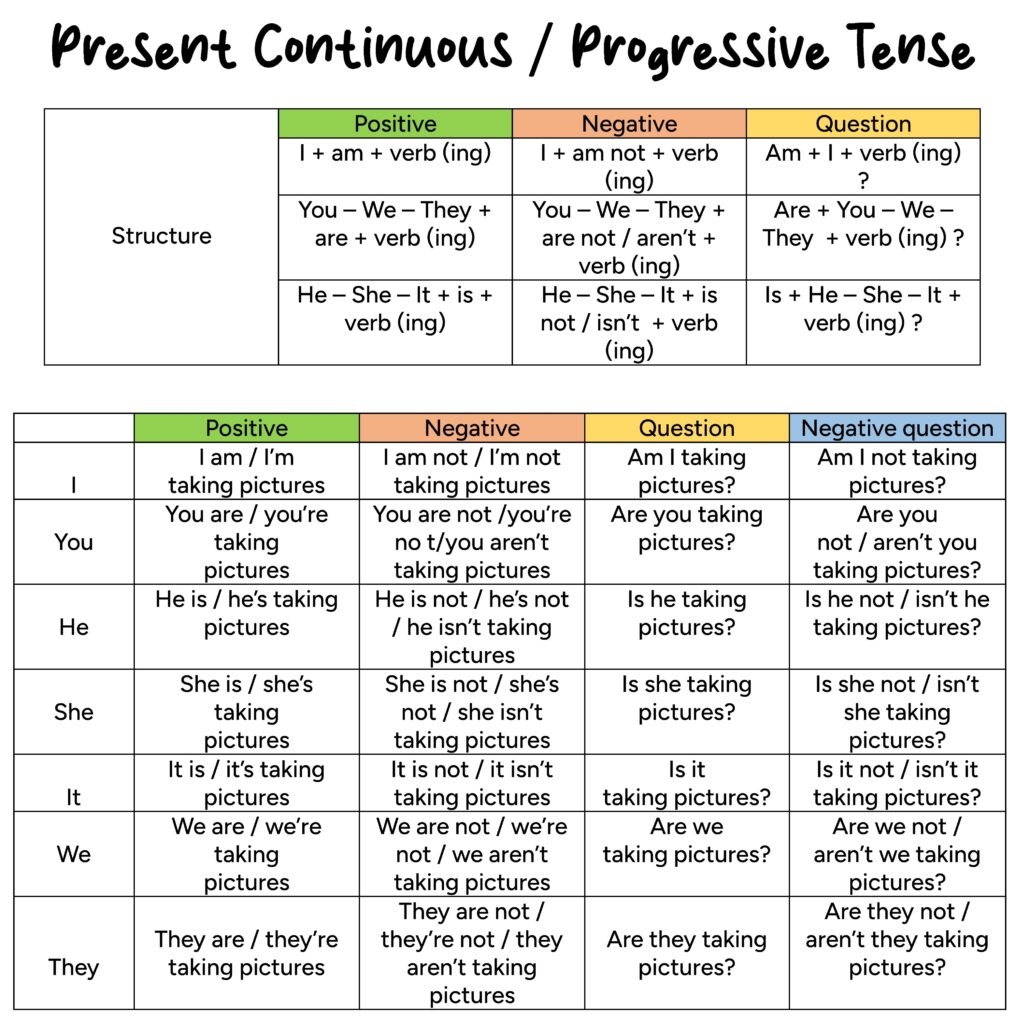
Present Continuous Or Progressive Tense English For Yourself
Present Continuous Tense Definition Useful Rules And Examples 7ESL