
Snakes have always fascinated humans with their sleek bodies and mysterious behavior. One particular snake, the viper, has a powerful presence in many cultures and languages.
Did you know that the Greek word for viper is “echidna”? This ancient language has a rich history, and its influence can be seen in many modern words and phrases.
greek word for viper
The Greek Word for Viper: Echidna
In Greek mythology, Echidna was a fearsome monster, half woman and half serpent. She was the mother of many famous monsters, including the Nemean Lion and the Chimera.
The word “echidna” itself comes from the Greek word for “viper,” highlighting the snake’s association with danger and cunning in ancient Greece.
Today, the word “echidna” is still used in scientific names for certain species of vipers, connecting us to the language and myths of the past.
So, next time you encounter a viper or hear the word “echidna,” remember its ancient roots in Greek mythology and language. The power and symbolism of the viper have endured for centuries, making it a fascinating creature to study and admire.
Whether you’re a language enthusiast, a mythology buff, or simply curious about the world around you, exploring the origins of words like “echidna” can open up a whole new world of knowledge and understanding.
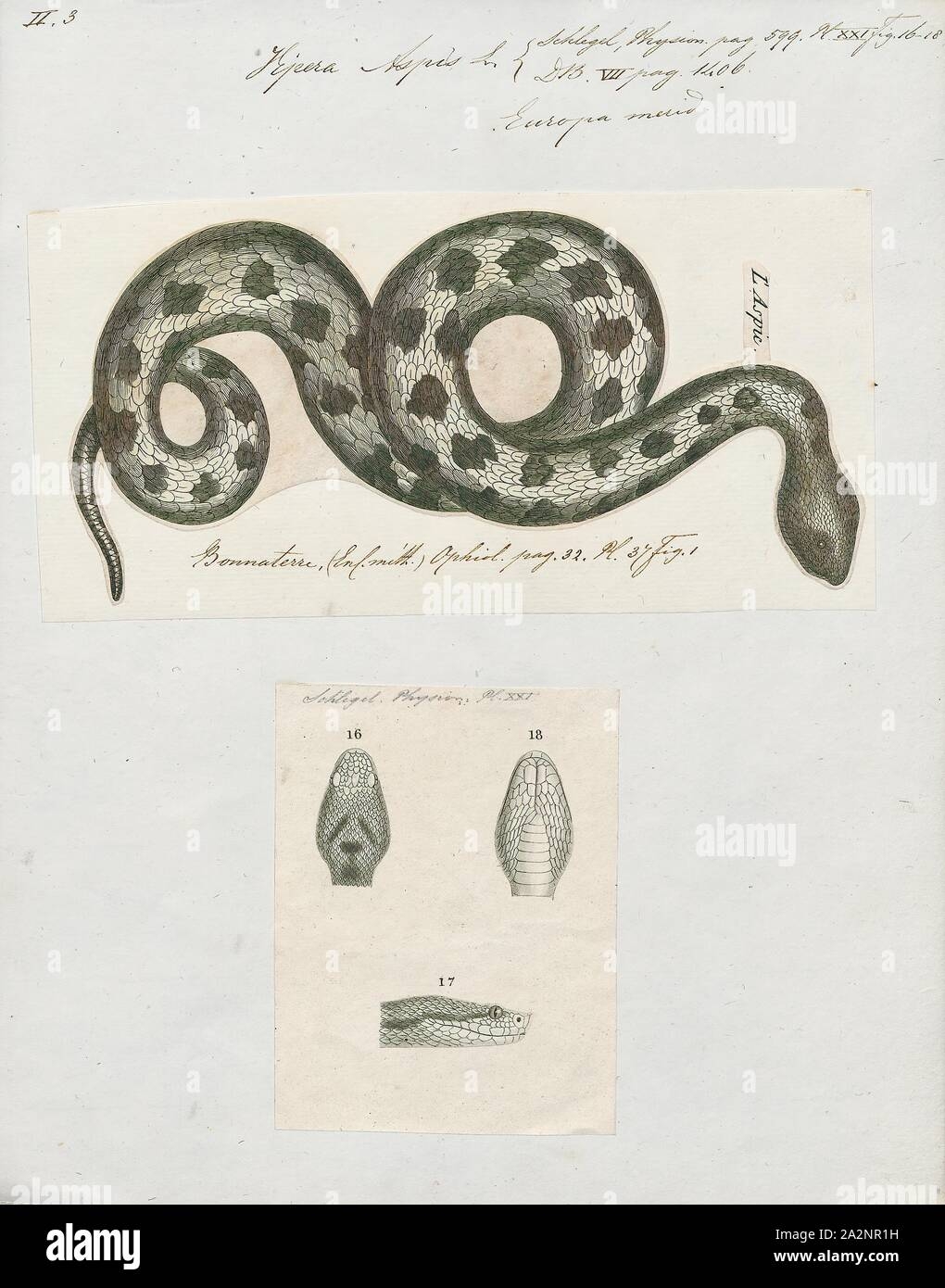
Greek Names Hi res Stock Photography And Images Alamy

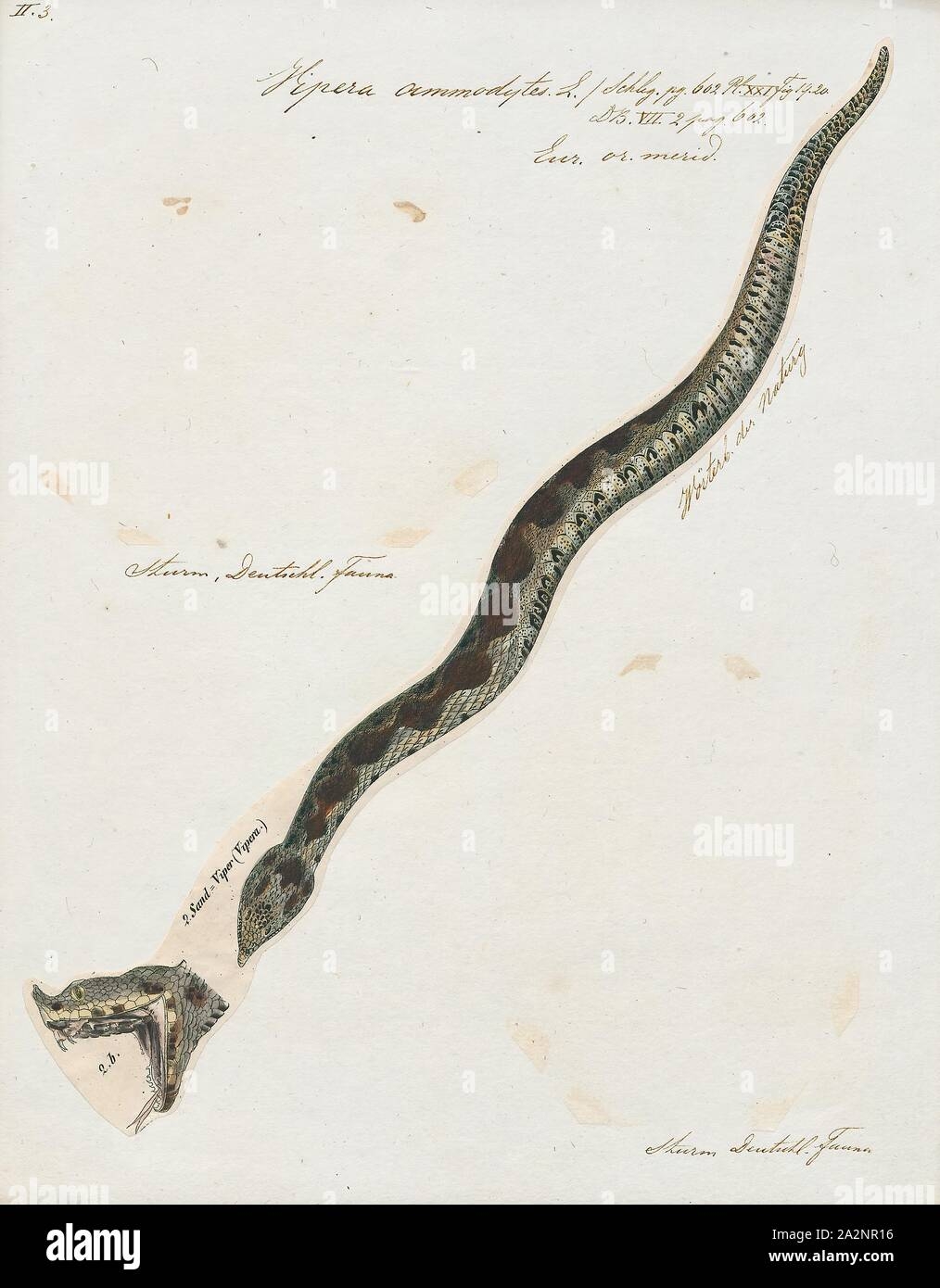
Vipera Ammodytes Print Vipera Ammodytes other Common Names Include Horned Viper Long nosed Viper Nose horned Viper Sand Viper Is A Viper Species Found In Southern Europe Through To The Balkans And Parts Of
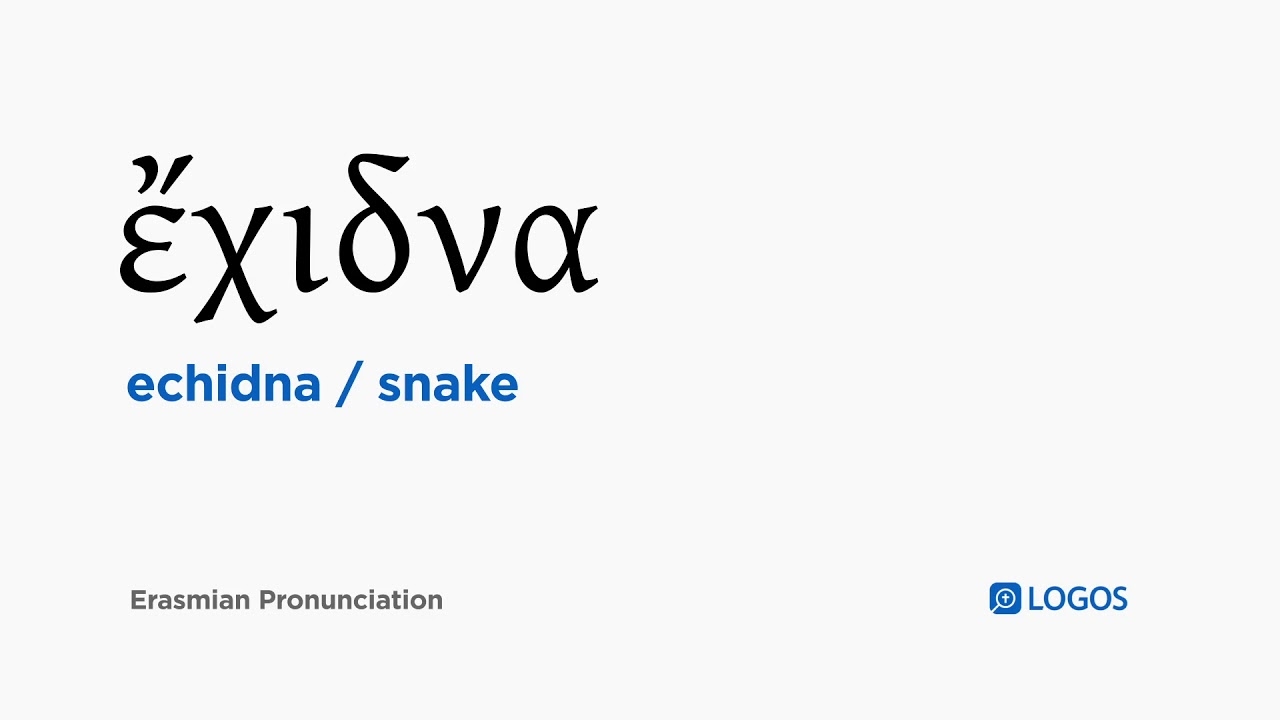
How To Pronounce Echidna In Biblical Greek Snake YouTube

Vipera Ammodytes Print Vipera Ammodytes other Common Names Include Horned Viper Long nosed Viper Nose horned Viper Sand Viper Is A Viper Species Found In Southern Europe Through To The Balkans And Parts Of