
Have you ever wondered about the difference between regular verbs and irregular verbs in English? Well, look no further! We’re here to break it down for you in a simple and easy-to-understand way.
Regular verbs follow a predictable pattern when conjugated in the past tense. For example, the verb “walk” becomes “walked” in the past tense. On the other hand, irregular verbs have unique forms in the past tense that do not follow a set pattern.
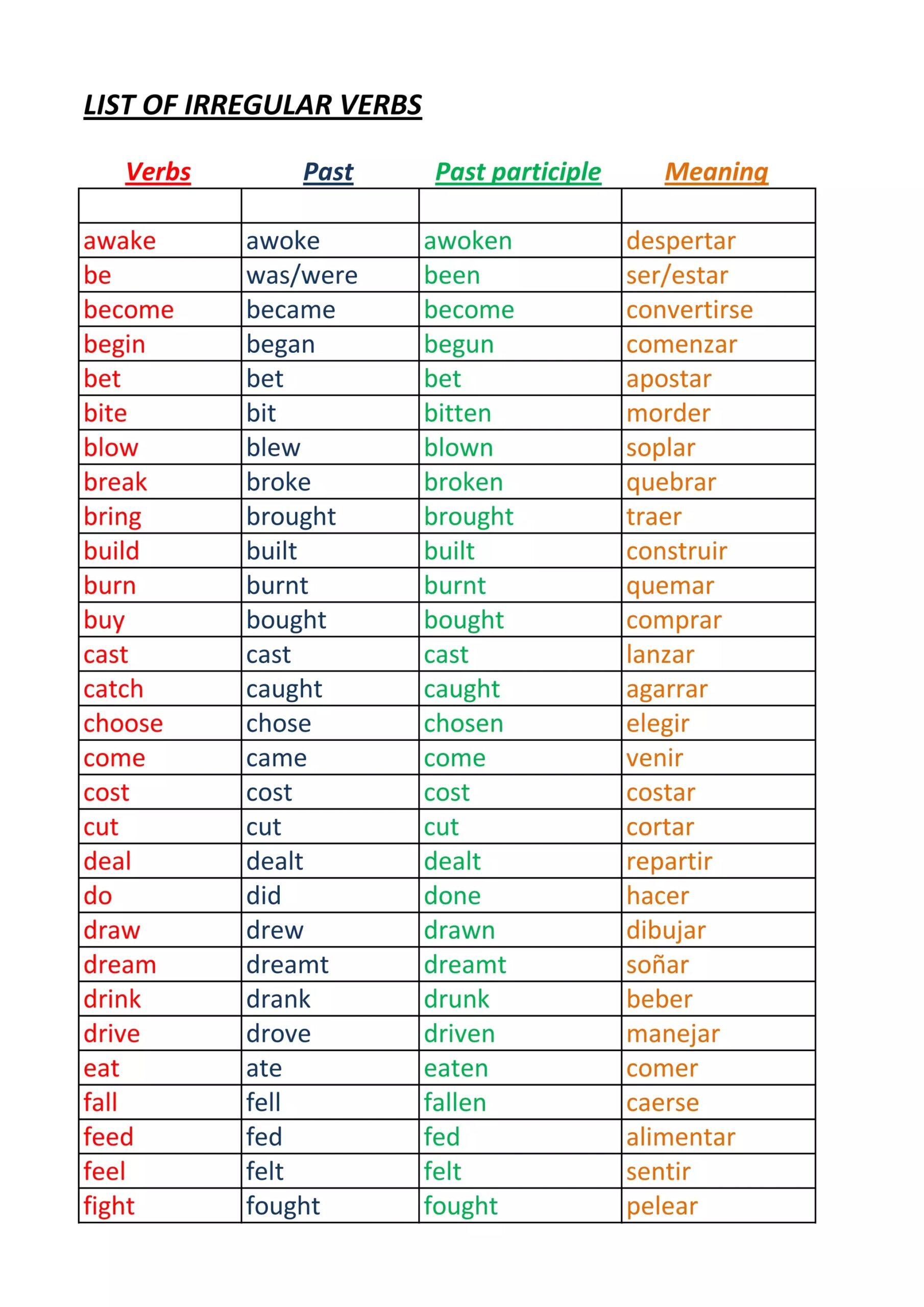
regular verbs and irregular verbs
Regular Verbs and Irregular Verbs
Let’s take a closer look at some examples of regular verbs. Verbs like “play,” “talk,” and “jump” all follow the same pattern when changing to the past tense by adding “-ed” to the base form.
Now, onto irregular verbs. Verbs such as “go,” “eat,” and “drive” have irregular past tense forms that do not follow the standard rules. For instance, “go” becomes “went,” “eat” becomes “ate,” and “drive” becomes “drove.”
It’s important to familiarize yourself with both regular and irregular verbs to improve your English language skills. Practice using both types of verbs in sentences to become more comfortable with their usage.
Remember, regular verbs are consistent in their conjugation, while irregular verbs have unique past tense forms. By understanding the differences between the two, you’ll be able to communicate more effectively in English.
So, next time you’re writing or speaking in English, pay attention to whether you’re using regular or irregular verbs. With practice, you’ll become more confident in using both types correctly!
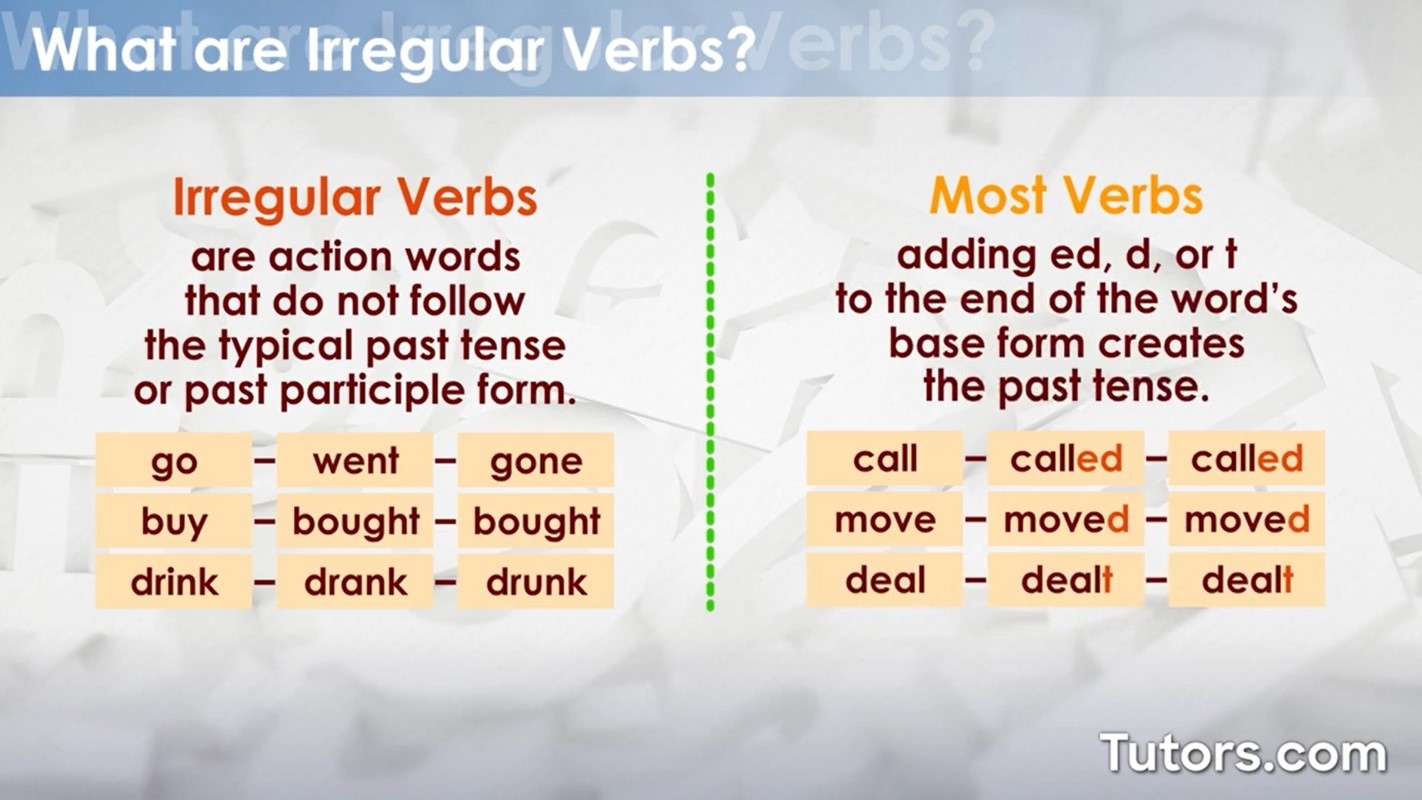
Irregular Verbs Definition And Examples
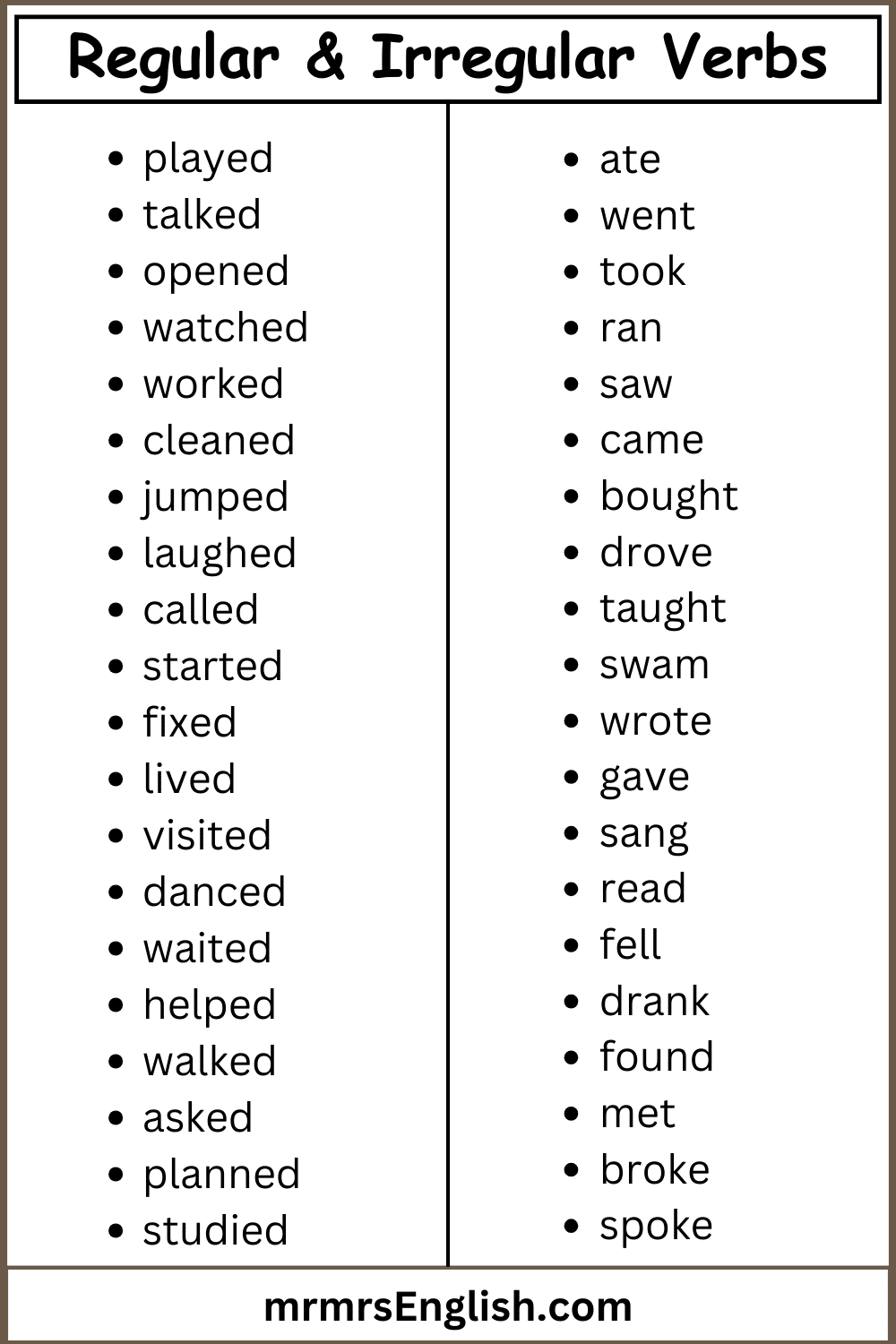
Regular And Irregular Verbs Explained With Definition And Examples MR MRS ENGLISH
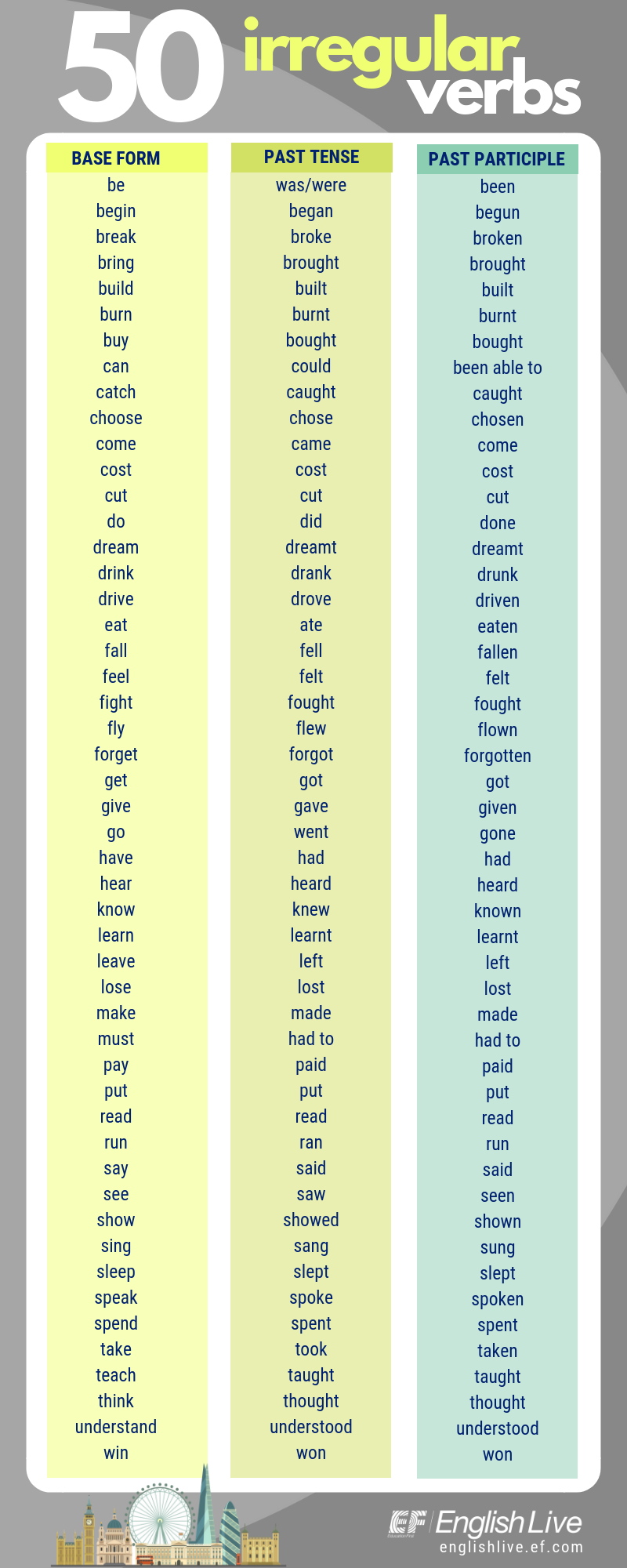
Regular And Irregular Verbs

Regular And Irregular Verb Examples What Is An Irregular Verb ESL Kids World